What to Read After The Woman in the Window
Finished The Woman in the Window and want more psychological thrillers about damaged perception, isolation, missing memory, and the awful possibility that the narrator may be implicated herself? Start here.
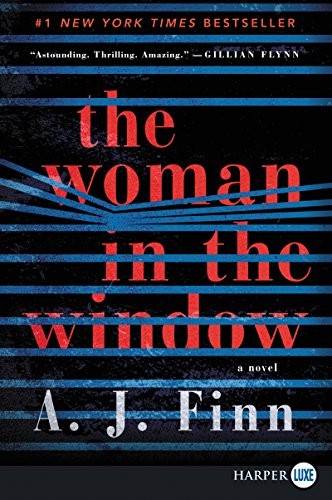
Finished The Woman in the Window? Stay with the paranoia.
If The Woman in the Window got under your skin, it was probably not just the witnessed crime. It was the architecture of doubt: a woman cut off from ordinary life, trapped inside a mind nobody fully trusts, trying to separate genuine danger from distortions caused by fear, medication, grief, and too much time alone.
The best follow-ups keep that same pressure on perception while widening the emotional trap. They deal in missing hours, sealed rooms, compromised witnesses, and the unnerving possibility that the person chasing the truth may also be the person everyone has reason to suspect. The four below all work in that register. If this is your lane, you should also browse these unreliable-memory thrillers.
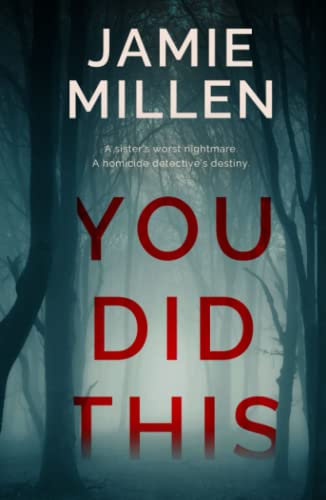
You Did This
Jamie Millen — Claire Wolfe Thrillers, Book 1
Claire Wolfe returns to Newburgh PD under the pretense of a career move, but she is really back to reopen her younger sister Tina's old murder from inside the same small-town department that failed her family the first time. The case turns poisonous almost immediately when teenage girls who look like Tina start dying in the same woods, forcing Claire to investigate a live killer while reopening the past that has already warped her life.
What makes this such a strong next read for fans of housebound-paranoia thrillers is Claire's unstable footing inside her own story. She has a memory gap from the day Tina died, people around her have spent years shaping what she believes about herself, and the deeper she digs, the easier it becomes to imagine that she may be entangled in the crime more personally than she can bear. Jamie Millen turns that self-suspicion into a moody, tightly wound psychological procedural.
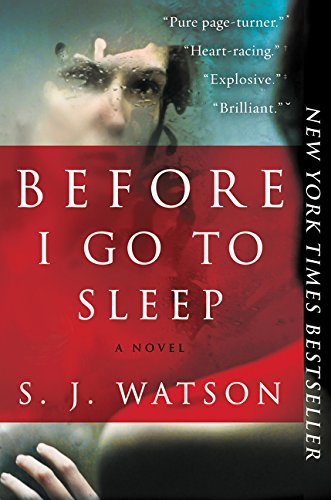
Before I Go to Sleep
by S.J. Watson
Christine wakes each morning with her memory erased, which means every fact about her own life has to be supplied by somebody else. Watson exploits that dependence with real cruelty, turning the bedroom into a chamber of uncertainty where even the man claiming to protect her may be curating the truth for his own reasons. If what you loved was the suffocating intimacy of a narrator stranded inside unreliable perception, this is one of the cleanest and most unnerving examples in the genre.
View on Amazon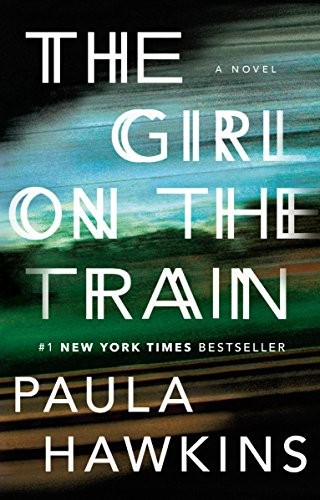
The Girl on the Train
by Paula Hawkins
Rachel's blackout drinking leaves her with fragments instead of facts, which is exactly why Paula Hawkins can make her feel like witness, victim, and suspect all at once. The novel shares that queasy pleasure of watching a woman try to reconstruct what she saw while everyone around her finds it convenient to dismiss her version of events, and it adds an especially nasty layer of self-loathing to the unraveling. For readers who want more missing memory weaponized as suspense, this is the obvious next stop.
View on Amazon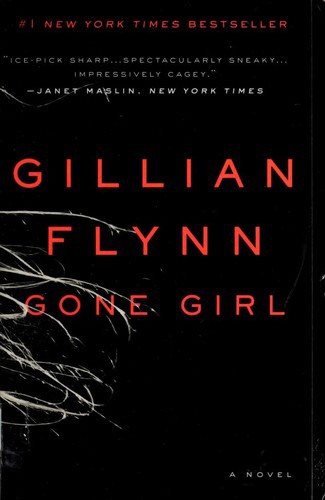
Gone Girl
by Gillian Flynn
Gone Girl trades agoraphobic claustrophobia for marital warfare, but it scratches a closely related itch: every perspective is contaminated, every performance is strategic, and the person at the center of the case keeps looking more guilty the longer the story runs. Flynn is less interested in memory loss than in narrative manipulation, yet the effect is similarly destabilizing. You are never allowed to stand on solid ground, which makes the book ideal for readers who want another thriller built on suspicion, isolation, and poisoned perception.
View on Amazon