What to Read After The Stand
If Stephen King's plague-struck epic hooked you with its spiritual unease, moral enormity, and stubbornly human grief, these four novels carry that same end-of-the-world voltage into stranger, more intimate territory.
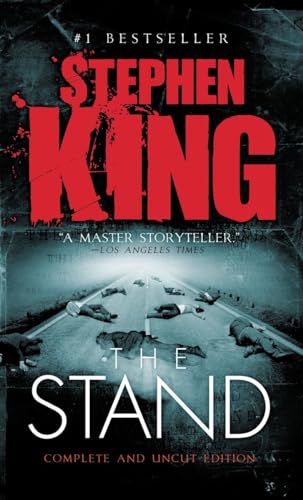
Finished The Stand? Start here next.
If The Stand worked on you, it was probably because it understood that apocalypse is never only about scale. It is about the terrible intimacy of watching ordinary lives bend under spiritual pressure, public collapse, and the suspicion that history itself has chosen a side.
The best follow-ups keep that same double vision. They give you prophecy, dread, and world-sized consequences, but they never lose sight of marriage, memory, loneliness, and the private cost of surviving a changed reality. These four novels all know how to hold both at once.
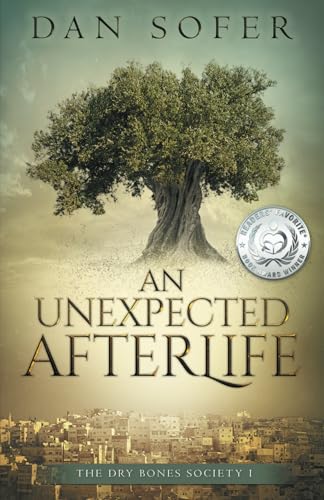
An Unexpected Afterlife
Dan Sofer — The Dry Bones Society, Book 1
Moshe Karlin wakes up in Jerusalem's Mount of Olives Cemetery with no memory of how he died and a problem more painful than resurrection itself: his wife has already begun building a life without him. As more of the dead begin returning across the city, miracle becomes bureaucracy, prophecy becomes civic crisis, and one man's private heartbreak gets folded into something unmistakably Biblical.
That makes Dan Sofer's novel a sharp recommendation for readers coming off The Stand. It has the same sense that unseen forces are pressing down on the everyday world, but it delivers that pressure through marriage, municipal absurdity, sacred history, and a city that feels fiercely alive. The scale is smaller, the wit is drier, and the theology is more oblique, yet the moral and emotional stakes land with real force.
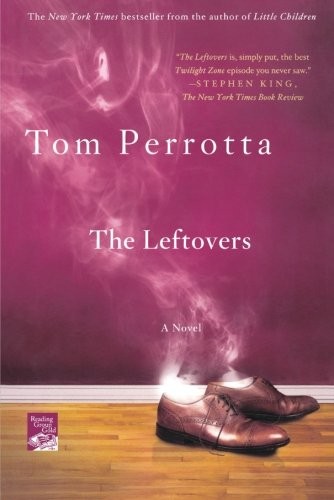
The Leftovers
by Tom Perrotta
Tom Perrotta is less interested in battle lines than in aftershocks, but the spiritual bruise is just as deep. When millions vanish without explanation, marriages warp, cults form, and every ordinary exchange starts carrying the charge of an argument about God, meaning, and whether the world people knew is recoverable. If you loved the way The Stand made catastrophe feel moral as well as physical, this one lingers in the same haunted register.
View on Amazon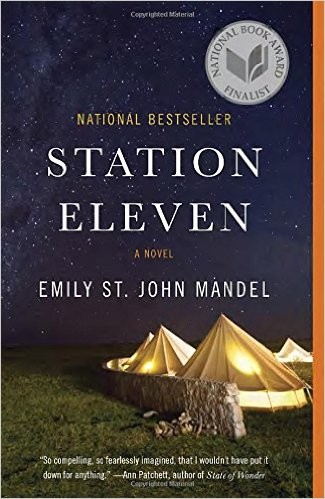
Station Eleven
by Emily St. John Mandel
Emily St. John Mandel trades King's grand good-and-evil architecture for something quieter and, in its own way, equally devastating. Her ruined world is built out of memory, performance, abandoned objects, and the fragile rituals people invent to stay recognizably human after history breaks. Readers who came to The Stand for its sweeping collapse but stayed for the aching humanity underneath will find that same emotional afterglow here.
View on Amazon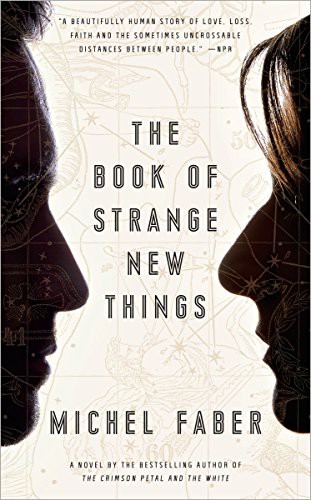
The Book of Strange New Things
by Michel Faber
Michel Faber's novel is stranger, sadder, and more inward than King's, but it understands the same destabilizing feeling that revelation does not arrive cleanly. As a missionary moves farther from his wife while crisis mounts back on Earth, the novel turns faith, distance, and the end of the familiar world into one sustained note of spiritual unease. If the prophetic atmosphere of The Stand is what got under your skin, this is an especially rich next step.
View on Amazon