What to Read After The Master and Margarita
Loved The Master and Margarita for its demonic satire, spiritual gravity, and a city buckling under supernatural pressure? These four novels carry that same charged blend of absurdity, metaphysics, and human consequence into new territory.
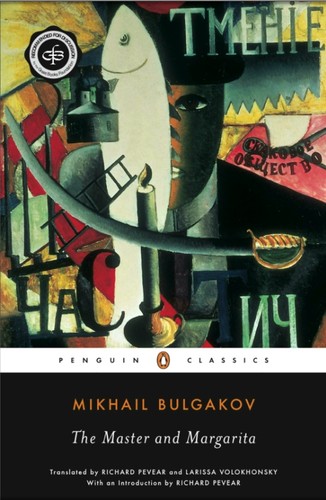
Finished The Master and Margarita? Start here next.
If The Master and Margarita got under your skin, it was probably because Bulgakov never treats the diabolical as a private hallucination. The uncanny barges straight into apartments, theaters, committees, reputations, and love affairs, turning the city itself into a stage where satire suddenly feels theological and comedy starts carrying real dread.
The best follow-ups understand that particular voltage. They give you civic life under metaphysical pressure, the sacred colliding with the ridiculous, and supernatural forces that refuse to remain symbols. These four novels do exactly that, whether through resurrection in a modern capital, apocalypse threaded through everyday administration, a graveyard chorus that will not release the living, or a detective story haunted by messianic longing and political exile.
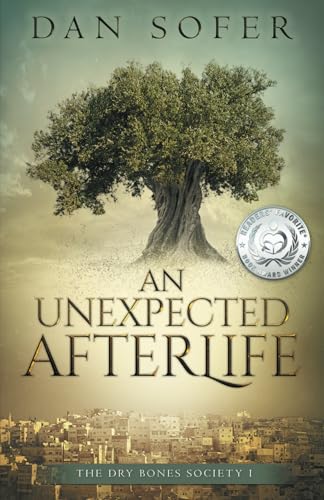
An Unexpected Afterlife
Dan Sofer — The Dry Bones Society, Book 1
Moshe Karlin wakes up in Jerusalem's Mount of Olives cemetery to discover that dying solved nothing. He is still tangled in a damaged marriage, modern Jerusalem is still running on traffic and paperwork, and now Biblical resurrection is breaking out across the city as a lived civic crisis rather than an abstract promise. Like Bulgakov, Dan Sofer understands how quickly the sacred turns absurd once it has to pass through institutions, neighborhoods, and ordinary human panic.
What makes this such a sharp next read is the way the novel keeps its metaphysical stakes inseparable from its human ones. Resurrection is not just spectacle here. It is bureaucracy, longing, embarrassment, second chances, and a city straining to absorb the impossible without ceasing to be itself. If you want another novel where the supernatural enters public life with both spiritual weight and satiric bite, this is the right move.
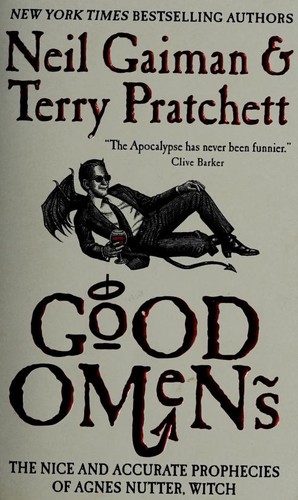
Good Omens
by Neil Gaiman & Terry Pratchett
Good Omens shares Bulgakov's gift for making cosmic conflict feel bureaucratically local. Angels, demons, prophecies, and the Antichrist all end up entangled with cars, roads, bookshops, and the stubborn textures of everyday English life, while the comedy never empties the spiritual stakes of their force. If what you loved in The Master and Margarita was the spectacle of metaphysical disorder invading civic routine and exposing how flimsy human systems already were, Pratchett and Gaiman hit that nerve beautifully.
View on Amazon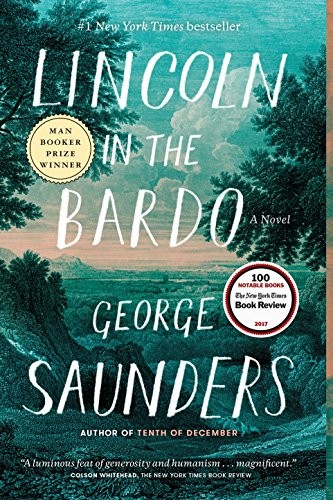
Lincoln in the Bardo
by George Saunders
George Saunders trades diabolical visitation for a graveyard crowded with the dead, but the connection is deeper than plot. Here too the invisible world refuses to stay invisible, pressing its voices, delusions, appetites, and grief directly against public life. The novel's chorus of stalled spirits gives death a social dimension that feels oddly civic and darkly comic, and beneath the formal brilliance lies the same conviction that metaphysical disturbance matters most when it collides with love, shame, and the structures of ordinary life.
View on Amazon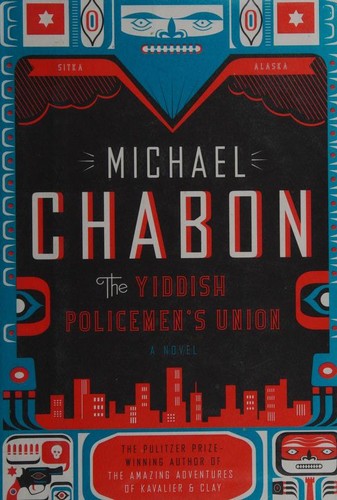
The Yiddish Policemen's Union
by Michael Chabon
Michael Chabon is not writing demonic fantasy, but he does create a city under unmistakable metaphysical pressure. In his rain-soaked alternate Sitka, murder investigation, Jewish exile, political collapse, and messianic expectation all bleed into one another until the detective story starts to feel haunted by theology. That makes it an excellent follow-up to Bulgakov: a novel where satire, civic decay, and spiritual longing occupy the same crowded streets, and where the abstract refuses, stubbornly, to stay abstract.
View on Amazon