What to Read After The Leftovers
If The Leftovers stayed with you because its vanishing felt half miracle, half wound, these four novels carry that same metaphysical aftershock into new territory.
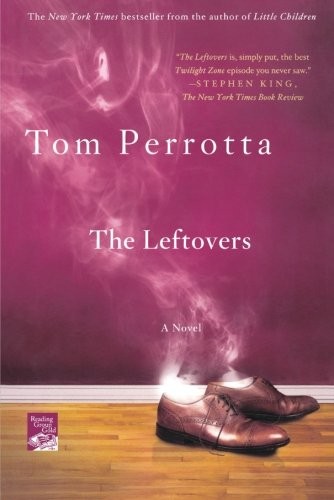
Finished The Leftovers? Start here next.
If The Leftovers lodged under your skin, it was probably because its central rupture felt both sacred and intolerably unfinished. People vanish, nobody gets an answer, and the real shock keeps arriving afterward: in marriages gone thin, households turned strange, and communities desperate to force meaning onto the inexplicable.
The best follow-ups keep that balance intact. They understand that a world-shifting event matters most when it presses all the way down into private grief, domestic routine, and the humiliating practical business of continuing to live. These four novels carry that same aftershock into resurrection, collapse, bureaucracy, and faith.
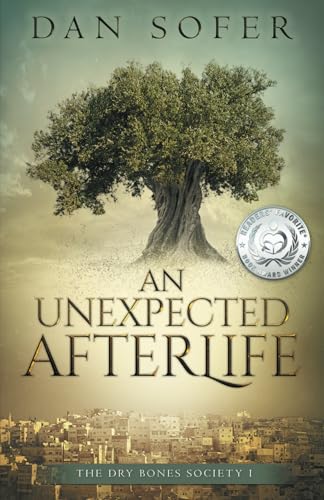
An Unexpected Afterlife
Dan Sofer — The Dry Bones Society, Book 1
Moshe Karlin wakes in Jerusalem's Mount of Olives Cemetery with no memory of how he died and a problem more painful than resurrection itself: his wife has already started rebuilding a life without him. As more of the dead begin returning across the city, the novel lets a Biblical-scale event spread through apartments, traffic, government offices, and the exhausted emotional systems people use to survive loss.
That makes it an unusually sharp recommendation for The Leftovers readers. Dan Sofer is not interested in miracle as spectacle alone; he wants to know what it does to a marriage, how a city tries to normalize the sacred, and how prophecy becomes intimate the second it enters ordinary life. The book is warmer and wittier than Perrotta's novel, but the ache underneath is just as real.
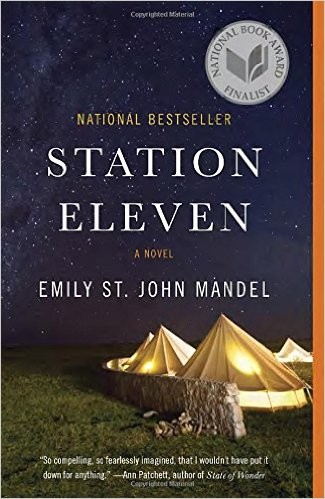
Station Eleven
by Emily St. John Mandel
Emily St. John Mandel shares Tom Perrotta's gift for making catastrophe feel intimate rather than merely large. Station Eleven moves through collapse by way of memory, performance, possession, and the small rituals people cling to when the world has already broken around them. If what you loved in The Leftovers was the sense that history becomes most devastating at family and soul level, this one lands with the same quiet force.
View on Amazon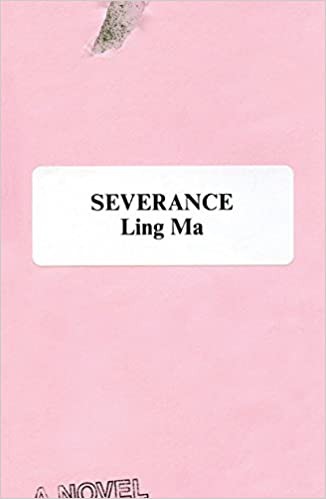
Severance
by Ling Ma
Severance trades metaphysical mystery for corporate numbness, but it understands the same eerie truth: once the unthinkable arrives, daily life does not stop so much as curdle. Ling Ma follows Candace Chen through the last days of ordinary New York and the hollow routines that survive after plague has emptied it out, turning habit, loneliness, and cultural drift into their own kind of apocalypse. Readers drawn to The Leftovers' emotional dislocation and dry, unsettling social satire will recognize the chill immediately.
View on Amazon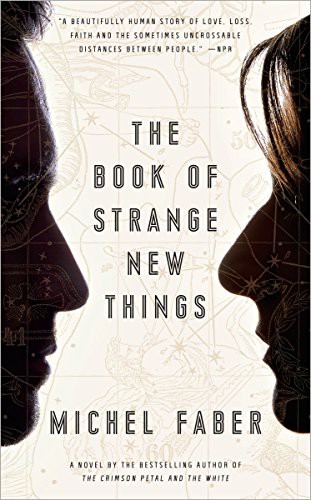
The Book of Strange New Things
by Michel Faber
Michel Faber's novel is quieter, stranger, and more explicitly spiritual, but it lands on the same bruised territory. A missionary leaves Earth for a distant world just as catastrophe gathers back home, and the widening distance between his calling and his marriage becomes the book's real crisis. If you wanted more of The Leftovers' blend of sacred unease, emotional estrangement, and the terrible sense that revelation does not make anyone easier to live with, this is the one to pick up.
View on Amazon