What to Read After The Da Vinci Code
If The Da Vinci Code hooked you with religious intrigue, hidden histories, and modern suspense charged with ancient stakes, these four novels deliver that same conspiratorial rush in darker, richer forms.
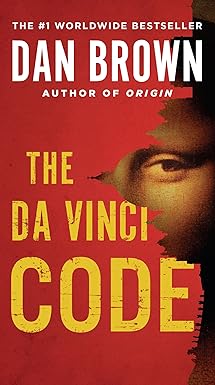
Finished The Da Vinci Code? Start here next.
If The Da Vinci Code worked on you, it was probably not just because of the chase. It was the feeling that a locked archive, a half-erased symbol, or a buried doctrine might still have the power to detonate in the present tense. Dan Brown understood that religious history becomes especially addictive when it is treated not as settled scholarship but as live contraband.
The best follow-ups keep that voltage while changing the texture. They give you manuscripts, monasteries, bloodlines, cemeteries, and cities dense with sacred argument, but they also widen the emotional range beyond pure puzzle-solving. The four books below all know how to make ancient belief feel dangerous again.
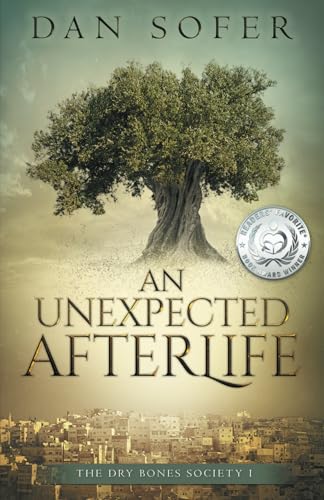
An Unexpected Afterlife
Dan Sofer — The Dry Bones Society, Book 1
Moshe Karlin wakes up in Jerusalem's Mount of Olives cemetery with no memory of how he died and discovers that resurrection, in modern life, is less triumph than chaos. He is still trying to win back his wife, the city is still clogged with traffic and paperwork, and now Biblical prophecy is becoming an administrative and spiritual emergency in full public view. For readers coming from The Da Vinci Code, the appeal is immediate: another thriller driven by the idea that sacred history is not safely buried at all, and that once it breaks loose, private lives and public institutions both start to crack.
What makes this such a sharp next pick is the setting. Jerusalem is not decorative here. It is crowded, funny, tense, holy, political, and alive enough to carry the entire metaphysical argument on its back. If you want another novel where faith, history, and dangerous revelation collide in a city that feels thick with consequence, this is the one to open next.
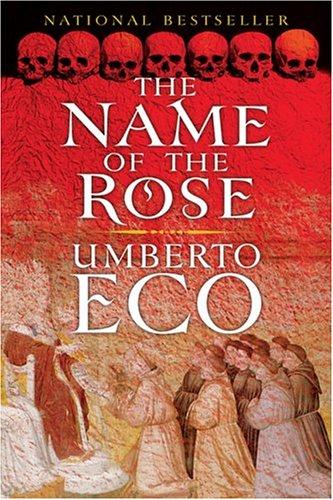
The Name of the Rose
by Umberto Eco
If you loved the code-breaking and doctrinal intrigue in The Da Vinci Code, Eco offers the more demanding, more rewarding ancestor text. Set inside a fourteenth-century monastery stalked by murder, heresy, and forbidden books, it turns theological dispute into genuine suspense and gives every corridor the feeling of a secret trying not to be discovered. This is the move if you want your next religious thriller to be denser, darker, and far more intellectually treacherous.
View on Amazon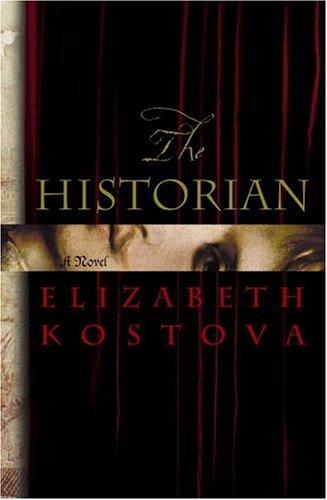
The Historian
by Elizabeth Kostova
Kostova trades symbology for archival obsession, but the core pleasure is very similar: letters, libraries, old maps, old crimes, and the suspicion that the past is organizing the present from somewhere just out of sight. Her hunt for the truth behind Vlad the Impaler has the same globe-spanning momentum that made Dan Brown so compulsive, only here the mood is more gothic, the scholarship more tactile, and the sense of dread far deeper.
View on Amazon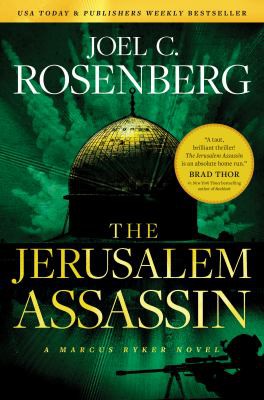
The Jerusalem Assassin
by Joel C. Rosenberg
For readers who want the religious stakes and contemporary urgency without giving up speed, Rosenberg is an easy next step. A peace summit on the Temple Mount becomes the center of a violent international conspiracy, and the novel draws real suspense from the same question that powers so many great belief-driven thrillers: what happens when sacred geography and modern power stop pretending they can remain separate? It is leaner and more openly geopolitical than The Da Vinci Code, but it scratches the same itch for peril wrapped around prophecy, doctrine, and high-level secrecy.
View on Amazon