What to Read After The Chestnut Man
Finished The Chestnut Man and want more bleak procedurals driven by old murders, copycat dread, damaged memory, and institutions with every reason to keep the truth buried? Start here.
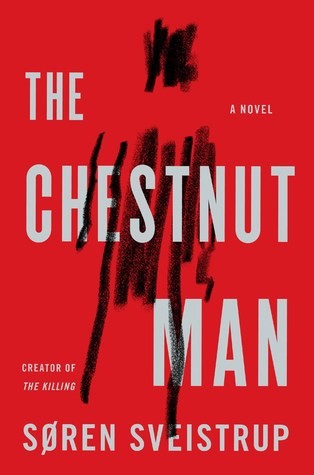
A nursery-rhyme chill, a dark woodline, and the feeling that something patient is still waiting there.
If The Chestnut Man worked on you, it was probably not just the bodies or the pacing. It was the atmosphere of a case that feels half police work, half infection: an old trauma spreading forward, children turned into symbols, and every new clue making the institutional story look thinner and more self-serving. The book understands that serial-killer suspense becomes far more unnerving when the investigation keeps wandering into family damage, memory failure, and the possibility that the system already chose the wrong truth years ago.
The four books below move in that same cold weather. They give you investigators with personal stakes they can barely control, communities built on denial, and killers whose patterns feel less like isolated crimes than like old nightmares finding fresh bodies. If what you want next is something procedural, psychological, and properly haunted, start here.
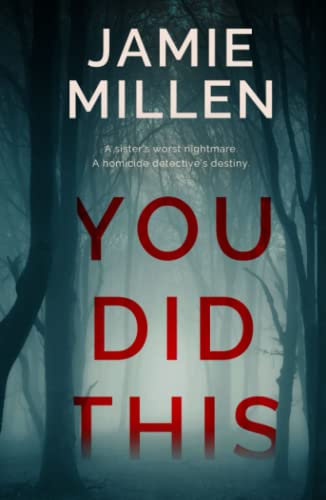
You Did This
Jamie Millen — Claire Wolfe Thrillers, Book 1
Detective Claire Wolfe transfers from Boston PD to Newburgh PD with a private agenda no one around her is supposed to see clearly: twelve years earlier, her sister Tina was murdered in the local woods, and Claire has never believed the case was honestly handled. When new fourteen-year-old victims who look disturbingly like Tina start appearing in those same woods, the cold case stops being history and becomes an active nightmare. What follows is exactly the kind of tense overlap The Chestnut Man readers tend to want next: a live investigation tangled up with institutional rot, a protagonist forced to doubt her own missing memories, and a small-town department so compromised that every official answer feels like part of the cover-up.
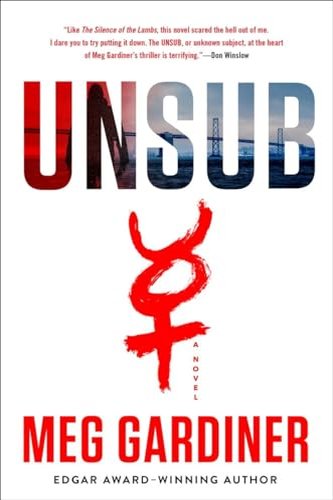
UNSUB
by Meg Gardiner
Caitlin Hendrix is pulled back toward the serial killer who wrecked her family decades earlier when fresh evidence suggests he may be active again, and Gardiner uses that premise to produce the same blend of procedural velocity and personal contamination that makes The Chestnut Man so hard to shake. The profiling is sharp, the violence feels patterned rather than random, and the real tension comes from watching an investigator realize the case has been living inside her far longer than she admitted.
View on Amazon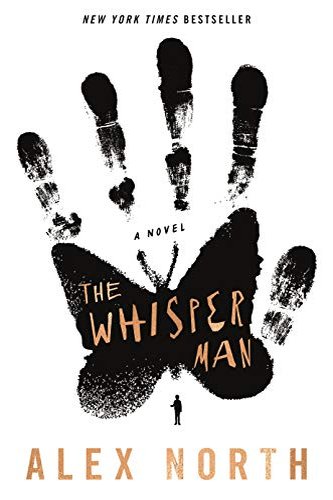
The Whisper Man
by Alex North
Alex North leans harder into grief and dread, but the overlap is strong: a child-centered case, a killer whose mythology keeps mutating after the original crimes, and a mood so thick it feels like weather. This is a novel for readers who loved the way The Chestnut Man turns investigation into atmosphere, where every interview and every old rumor seems to widen the darkness instead of clarifying it.
View on Amazon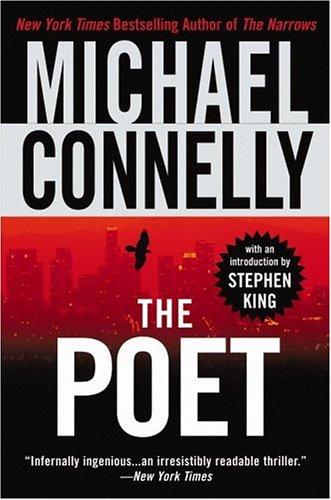
The Poet
by Michael Connelly
The Poet swaps Scandinavian chill for American newspaper grit, but it understands the same unnerving principle: the deeper you go into a killer's pattern, the more the investigation begins to feel designed for the investigator. Jack McEvoy starts by looking into his twin brother's apparent suicide and ends up inside a far larger, more taunting design, making this a strong next pick if what you want after The Chestnut Man is another smart, compulsive hunt where the case keeps turning intimate.
View on Amazon