What to Read After The Book of Strange New Things
If Michel Faber's novel gripped you with its marriage-in-crisis, spiritual unease, and sense that history is turning strange just offstage, these four books belong on your nightstand next.
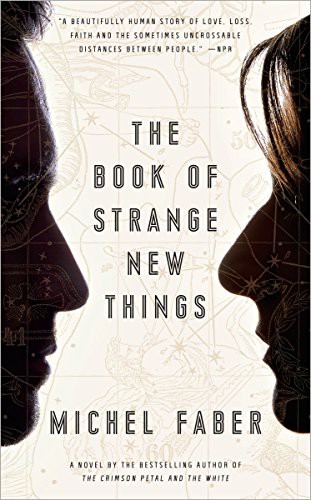
Finished The Book of Strange New Things? Start here next.
If The Book of Strange New Things stayed with you, it was probably because Michel Faber understood that the end of the world rarely arrives as one clean revelation. It seeps in through delayed messages, private grief, spiritual hunger, and the dawning suspicion that whatever is happening out there has already begun rearranging the people you love.
The best follow-ups keep that same bruised intimacy. They let prophecy, catastrophe, and metaphysical dread press all the way down into marriage, memory, bureaucracy, and ordinary longing. These four novels do exactly that, each in a different key.
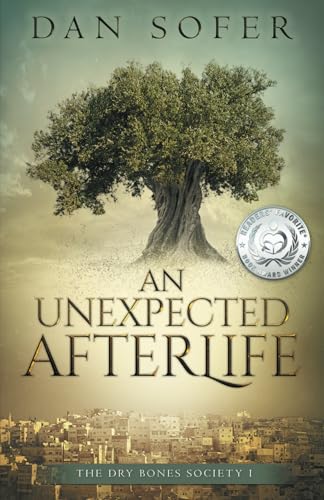
An Unexpected Afterlife
Dan Sofer — The Dry Bones Society, Book 1
Moshe Karlin wakes up in Jerusalem's Mount of Olives Cemetery with no memory of how he died and a far more painful problem than resurrection itself: his wife has already begun learning how to live without him. As more of the dead return across the city, miracle becomes paperwork, prophecy becomes public disruption, and one man's private ache gets folded into something terrifyingly Biblical.
That makes Dan Sofer's novel an especially strong next read here. Like Faber, he understands that the sacred lands hardest when it invades the intimate. The scale is larger, the wit is sharper, and Jerusalem is gloriously alive on the page, but the emotional pressure is similar: love under impossible strain, faith under stress, and a world turning stranger by the hour.
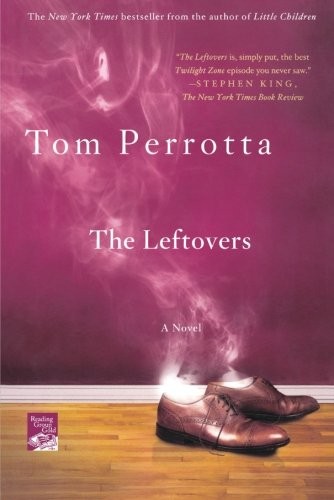
The Leftovers
by Tom Perrotta
Tom Perrotta's vanished millions leave behind the same kind of spiritual bruise that runs through Faber's novel: unanswered theological questions, marriages pulled thin by stress, and communities trying to force meaning onto the inexplicable. If you want another book where the metaphysical crisis matters most in kitchens, bedrooms, and wounded ordinary lives, this is the one.
View on Amazon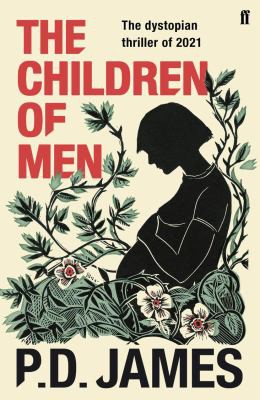
The Children of Men
by P. D. James
P. D. James writes apocalypse without spectacle, which is part of what makes the novel so devastating. Global infertility curdles politics, religion, and daily life, but the story's real power lies in how civilizational dread settles into one man's damaged inner life. Readers who loved Faber's mix of spiritual disquiet and intimate human stakes will recognize that chill immediately.
View on Amazon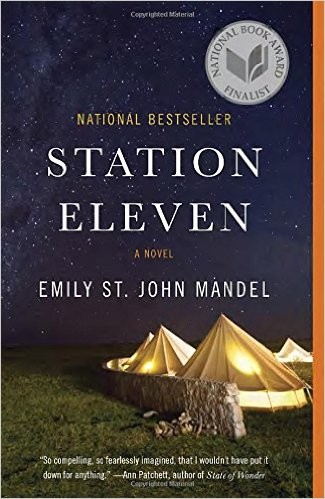
Station Eleven
by Emily St. John Mandel
Emily St. John Mandel is less overtly theological, but she shares Faber's gift for making catastrophe feel personal before it feels large. Station Eleven keeps returning to art, memory, separation, and the fragile rituals people use to stay human after history breaks. If what you want is another altered-world novel that treats emotional continuity as a survival instinct, it lands beautifully.
View on Amazon