What to Read After Long Bright River
Finished Liz Moore's Long Bright River and want more novels where a woman investigator has to work a case through family damage, institutional rot, and the dread of what her own memory might be hiding? Start here.
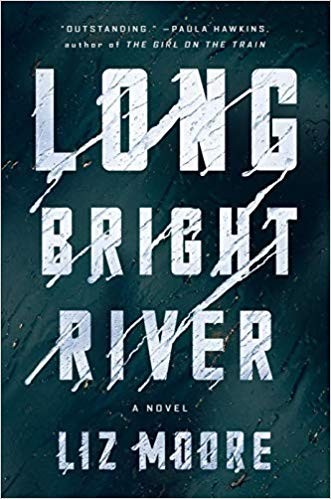
Finished Long Bright River? Start here next.
If Long Bright River worked on you, it was probably because Liz Moore never lets the investigation stay neatly professional. The case keeps dragging private grief onto the same stage as police work: sisterly guilt, neighborhood memory, compromised institutions, and the awful feeling that the person trying hardest to find the truth may also be the person least equipped to survive it cleanly.
That mood is harder to replace than it looks. You do not just want another crime novel set near a body. You want books where the evidence is tangled up with family damage, where the town has already agreed on the wrong story, and where every answer threatens to reopen something older and more intimate than the present-tense case. The four below all understand that pressure from different angles.
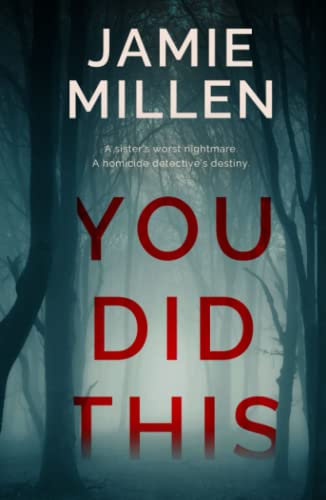
You Did This
Jamie Millen — Claire Wolfe Thrillers, Book 1
Detective Claire Wolfe transfers from Boston to Newburgh with a lie for the department and a much older truth underneath it: twelve years ago, her younger sister Tina was murdered in the local woods, and Claire has never believed the case was honestly handled. When fourteen-year-old girls who resemble Tina begin turning up dead, the cold case she came back to worry open becomes a live hunt, forcing Claire to investigate from inside the same institution that failed her family the first time.
What makes this such a strong next read for Long Bright River fans is the way Jamie Millen braids procedural momentum with intimate psychological damage. Claire has memory gaps from the day Tina died, her family history keeps pressing her toward self-doubt, and corruption inside the department means every breakthrough arrives already contaminated by old loyalties. If you want another novel where a woman investigator has to work through sister-grief, unstable memory, and a town invested in keeping the past buried, this lands exactly in that bruised sweet spot.
Sharp Objects
by Gillian Flynn
Camille Preaker goes back to Wind Gap to report on the murders of two girls and finds herself trapped inside the family theater and hometown mythology that made her. Flynn is less procedural than Moore, but the emotional overlap is exact: a woman trying to sort present violence from older private wounds, a town that performs innocence for outsiders, and a narrative voice so scraped raw that every clue feels personal before it ever becomes useful.
View on Amazon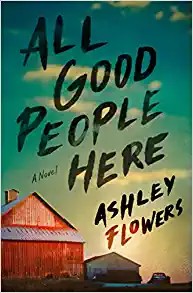
All Good People Here
by Ashley Flowers
Ashley Flowers also understands how a murdered girl can become a story a town tells badly on purpose. When Margot Davies returns to her Indiana hometown and begins looking again at the childhood killing that shaped her, a new disappearance forces the old case back into motion. The pull for Long Bright River readers is obvious: female obsession, a community thick with selective memory, and the unsettling sense that solving the crime means admitting how much the people around you have normalized.
View on Amazon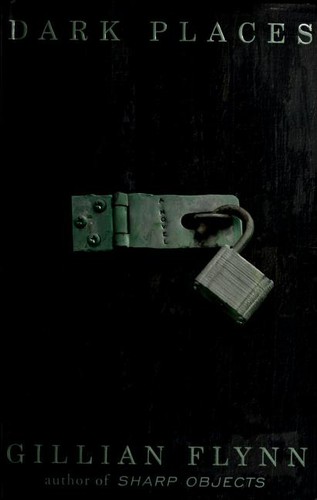
Dark Places
by Gillian Flynn
Libby Day is not a detective, but she moves through her own family massacre with the same exhausted suspicion that gives Long Bright River its charge. As she is pulled back through the murder of her mother and sisters, Flynn keeps asking what memory protects, what institutions distort, and how a woman lives inside a story that was fixed in public long before she was ready to examine it herself. It is a colder, meaner book than Moore's, but it scratches the same itch for crime fiction where investigation is inseparable from damage.
View on Amazon