What to Read After Good Omens
Loved Good Omens for its angelic bureaucracy, apocalyptic wit, and genuine affection for humanity? These four novels keep the theology sharp and the absurdity alive.
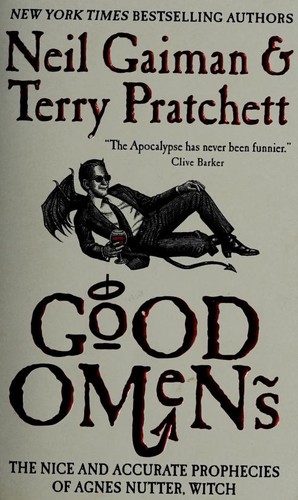
Finished Good Omens? Start here next.
If Good Omens worked on you, it probably was not just because it was funny. It was because Terry Pratchett and Neil Gaiman made the Apocalypse feel both cosmic and weirdly administrative: prophecies, infernal chain-of-command, small human appetites, and the unnerving idea that the fate of the world might hinge on people who are a little too fond of ordinary life to let it end on schedule.
That is a hard mood to replace. You do not want any random comic fantasy. You want books that can hold the sacred and the absurd in the same frame without flattening either one. The four below do that in very different keys: resurrection in a modern city, gospel-era mischief with real tenderness, Satanic chaos turned into social satire, and spiritual warfare reduced to the intimate scale of one quietly tempted human life.
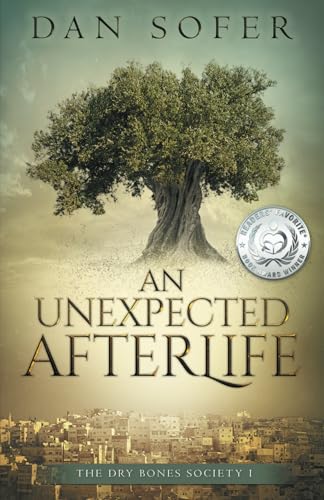
An Unexpected Afterlife
Dan Sofer — The Dry Bones Society, Book 1
Moshe Karlin wakes up in Jerusalem's Mount of Olives cemetery with no memory of how he died and discovers that returning to life is only the beginning of the problem. He is officially dead, his wife has started learning how to live without him, and across the city other impossible returns suggest that Biblical resurrection is no longer a matter for theologians. It is happening in traffic, in apartments, in government offices, and nobody has the paperwork for it.
What makes this such a strong next read for Good Omens fans is the way Dan Sofer lets ancient sacred stakes crash into contemporary human systems without losing either the humor or the emotional weight. Jerusalem feels fully lived-in rather than symbolic, the theology stays interesting, and beneath the absurdity is a bruised love story about second chances arriving much too late and all at once.
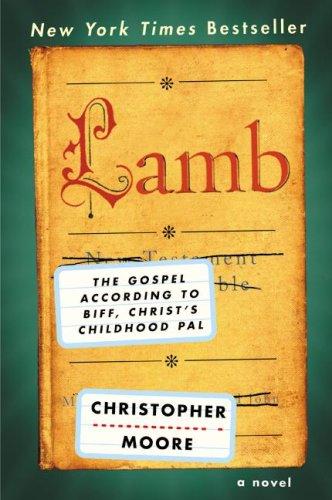
Lamb
by Christopher Moore
Christopher Moore's comic retelling of the missing years of Jesus's life has the same rare quality that makes Good Omens so beloved: irreverence without contempt. Told by Biff, Christ's childhood best friend, Lamb is rowdy, affectionate, and far smarter about faith than its premise first suggests. If what you loved was the sense that sacred material could be funny and still remain emotionally sincere, this is the obvious next stop.
View on Amazon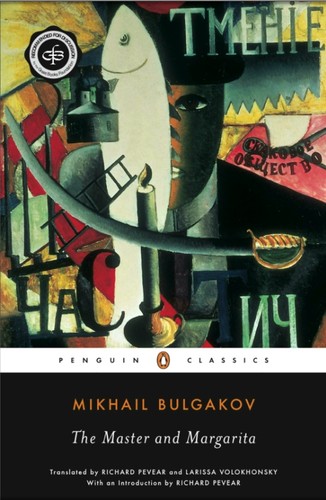
The Master and Margarita
by Mikhail Bulgakov
Bulgakov's masterpiece is stranger, darker, and more ferocious than Good Omens, but the overlap is real: the Devil arrives, respectable society begins to come apart, and the supernatural exposes just how ridiculous human institutions already were. The parallel Jerusalem narrative involving Pontius Pilate gives the book its spiritual gravity, while the Moscow sections deliver chaos, satire, and demonic mischief on a grand scale. If you want your theological comedy with sharper teeth, start here.
View on Amazon
The Screwtape Letters
by C.S. Lewis
If your favorite part of Good Omens was the bureaucratic texture of Heaven and Hell, Lewis gives you the infernal version in miniature. Through a senior devil's letters to his nephew, temptation becomes a matter of strategy, tone, timing, and paperwork-like precision. It is drier than Pratchett and Gaiman, but just as alert to the comedy inside spiritual systems, and it lingers because every cosmic argument is reduced to the scale of one ordinary life being pushed, almost invisibly, off course.
View on Amazon