What to Read After Children of Men
Finished Children of Men and still want novels where one impossible sign throws private lives, public order, and spiritual certainty into crisis? Start with these four.
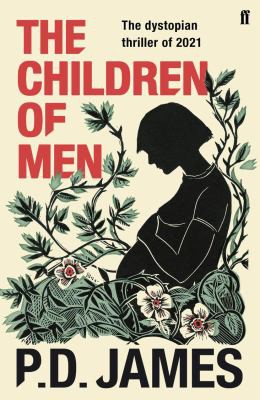
Finished Children of Men? Start here next.
If Children of Men worked on you, it was probably because its dread never stayed abstract. P. D. James turns infertility into policy, ritual, fear, and state pressure, then forces all that civilizational panic down into damaged loyalties, shaken faith, and the unbearable weight placed on one impossible body.
The best follow-ups understand the same dark mechanism. They know apocalypse becomes most unnerving when it has to pass through paperwork, marriages, clergy, checkpoints, and exhausted city streets. These four novels keep the stakes intimate even as whole communities struggle to absorb something that should not be possible.
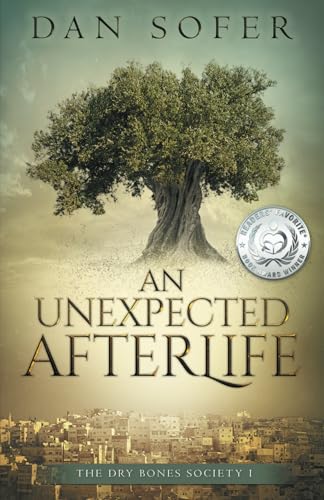
An Unexpected Afterlife
Dan Sofer — The Dry Bones Society, Book 1
Moshe Karlin wakes up in Jerusalem's Mount of Olives Cemetery with no memory of how he died and an immediate, humiliating problem: he is legally dead, emotionally displaced, and desperate to win back the wife who has already begun living without him. Then more of the dead start returning across the city, and resurrection stops being a private wonder and becomes a civic emergency.
That is exactly why it fits so well after Children of Men. Dan Sofer takes a Biblical-scale rupture and runs it through traffic, government offices, neighborhood arguments, sacred expectation, and the ache of a marriage under impossible strain. Jerusalem is not scenery here; it is the pressure chamber where faith, bureaucracy, and public disorder all collide at once.
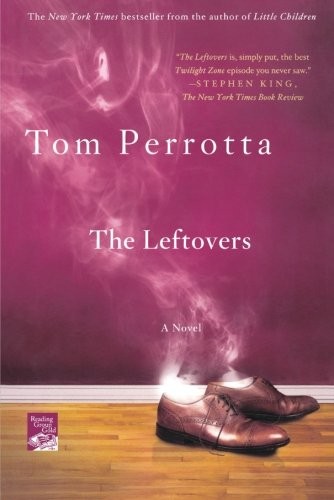
The Leftovers
by Tom Perrotta
When millions vanish in an instant, Tom Perrotta is less interested in explanation than in the social and emotional wreckage left behind. Marriages thin out, cults harden, authority loses its moral grip, and every ordinary interaction starts carrying the charge of a theological argument nobody can settle. If Children of Men gripped you because one impossible event poisoned the whole civic atmosphere, The Leftovers delivers that same mix of public fracture and intimate grief.
View on Amazon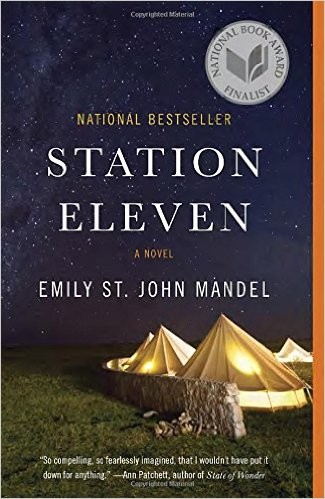
Station Eleven
by Emily St. John Mandel
Emily St. John Mandel's pandemic novel widens out across collapsed infrastructure, a traveling symphony, an airport museum of the dead world, and the afterlives of people who barely understood each other before history snapped. What makes it such a strong next read is the scale of feeling inside the catastrophe: art, memory, love, and civic habit all matter as much as survival. Like Children of Men, it understands that the end of the world becomes real in the small human systems people cannot quite stop carrying with them.
View on Amazon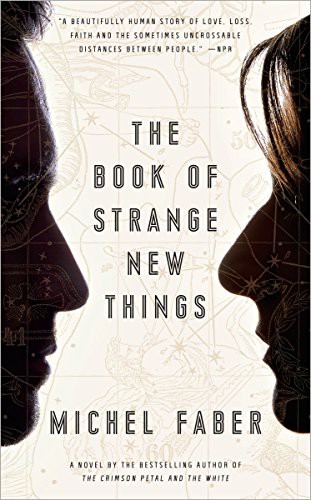
The Book of Strange New Things
by Michel Faber
Michel Faber sends missionary Peter Leigh to a distant planet, where an alien population is hungry for the Bible even as Earth itself begins slipping toward chaos. The novel's deepest wound is not the strangeness of first contact but the growing distance between Peter's religious calling and the wife he left behind to absorb disaster alone. For readers who loved Children of Men' fusion of faith, crisis, and intimate human cost, this is an especially bruising and beautiful follow-up.
View on Amazon