Small-Town Thrillers Where the Police Can't Be Trusted
These tense mysteries turn the local department into one more threat, where every official answer sounds a little too practiced.
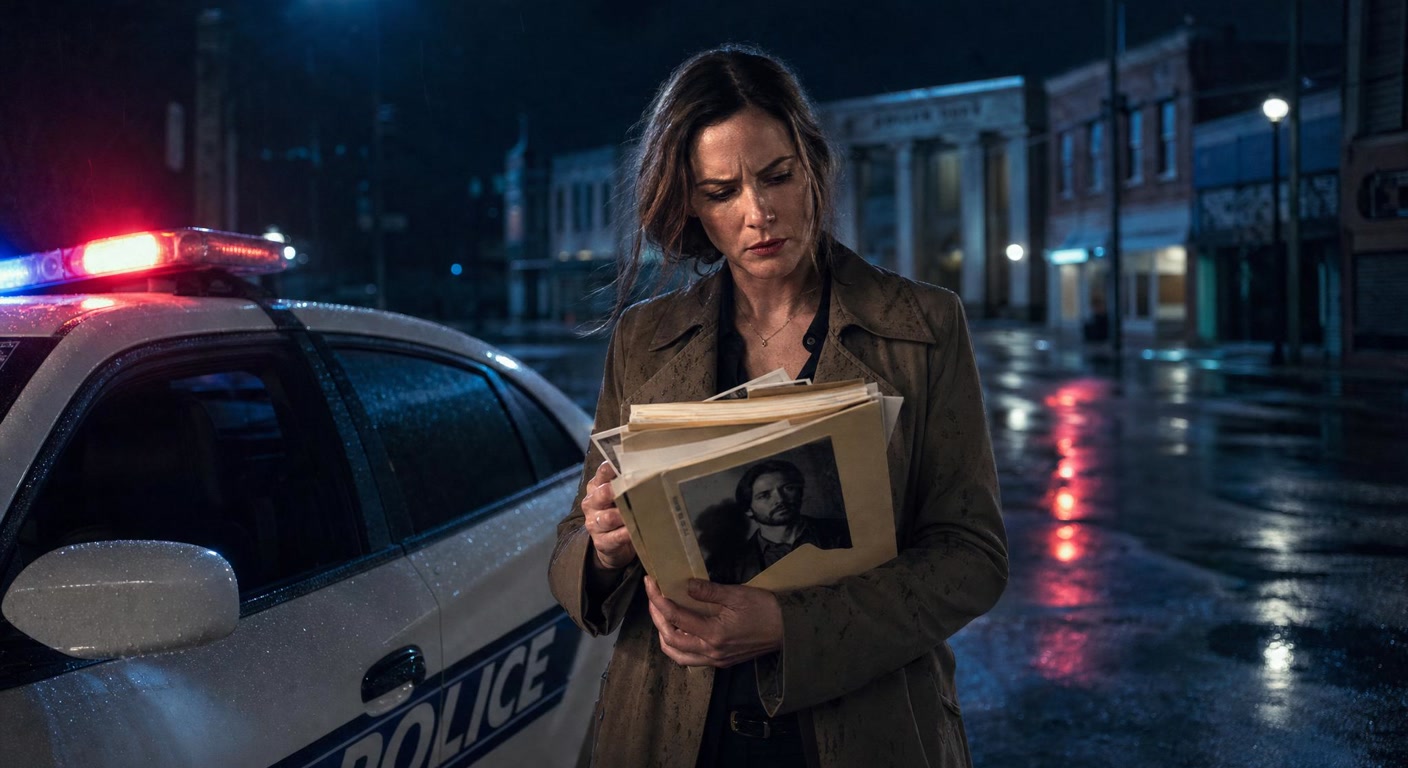
In the wrong town, the flashing lights do not promise safety. They warn you who got there first.
Small-town thrillers work because nobody gets to be anonymous for long. The deputy knows your father, the chief went to school with the prime suspect, and every witness statement arrives pre-filtered through loyalty, gossip, and the town's need to believe it already understands itself. Once the police start protecting the wrong version of events, the whole place becomes hostile terrain.
The best novels built on that pressure do more than give you a corrupt cop or a buried file. They show how institutional trust curdles at street level: old family wounds, local alibis, missing memory, and official answers that sound rehearsed before the question is even finished. If you like psychological procedurals where solving the case means distrusting the badge, these five books know exactly how ugly that gets.
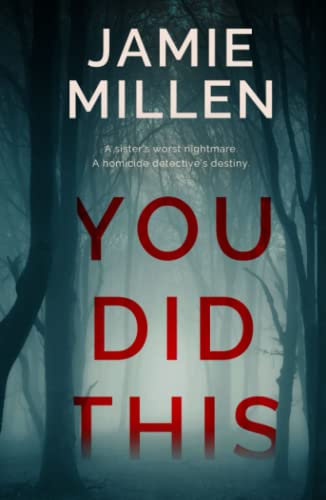
You Did This
Jamie Millen — Claire Wolfe Thrillers, Book 1
Detective Claire Wolfe joins Newburgh PD under the respectable fiction of a transfer, but she has come home for one reason: twelve years earlier, her younger sister Tina was murdered in the woods, and the local department helped that case go cold. When teenage girls who look disturbingly like Tina start turning up dead, Claire is forced to reopen the old wound while wearing the same badge that failed her family the first time.
What makes this such a precise fit for the theme is the way Jamie Millen braids institutional corruption with psychological instability. Claire has gaps in her memory from the day Tina died, her family history keeps turning self-doubt into a weapon, and the investigation keeps running through colleagues with every incentive to keep the town's old story intact. If you want a procedural with sister grief, compromised police work, and a heroine who cannot trust either the department or her own recollection without a fight, start here.
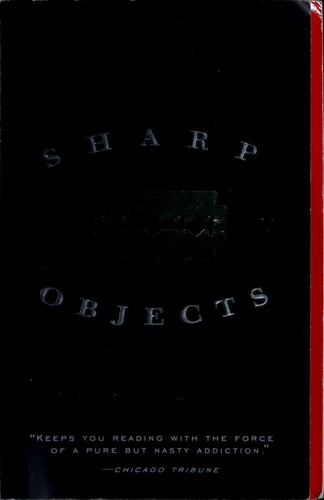
Sharp Objects
by Gillian Flynn
Camille Preaker returns to Wind Gap to cover the murders of two girls and finds a hometown so practiced at managing appearances that every interview feels contaminated on contact. Flynn is not writing a straight police procedural, but she absolutely nails the same suffocating logic: a close community protecting its own narrative, institutional adults who would rather preserve respectability than expose what happened to its girls, and a woman investigator whose history with the place keeps making the truth feel personal.
View on Amazon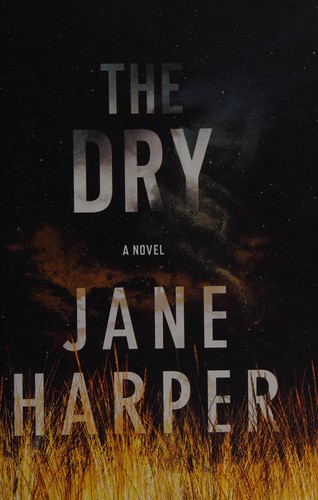
The Dry
by Jane Harper
Jane Harper's drought-stricken Kiewarra runs on old loyalties, old accusations, and the collective desire to keep one usable story in circulation. As Aaron Falk starts questioning a murder-suicide the town wants settled, official confidence and local policing begin to look less like reassurance than pressure. It is a masterclass in small-town suspicion, where every badge comes attached to history.
View on Amazon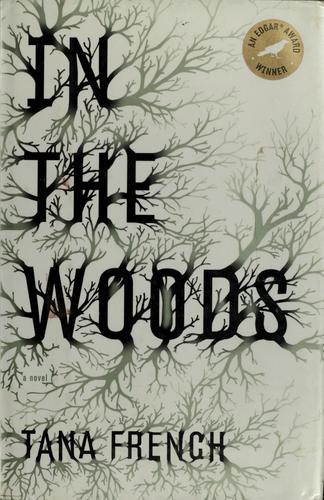
In the Woods
by Tana French
Tana French makes distrust of the investigation feel almost structural. Detective Rob Ryan is assigned to the murder of a young girl near the same woods where his two best friends vanished in childhood, and his missing memories keep turning the case inward just as police culture starts rewarding defensiveness over clarity. Few thrillers understand better how compromised authority and compromised memory can feed each other.
View on Amazon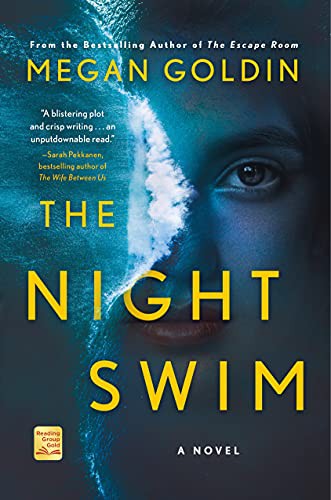
The Night Swim
by Megan Goldin
Megan Goldin shifts the detective work outside the department, which is exactly why the rot shows so clearly. As podcaster Rachel Krall digs into a rape trial and the older death of a teenage girl in a coastal town, the official version of events keeps revealing itself as something maintained for convenience, reputation, and institutional survival. If you like crime fiction where the police presence deepens the dread instead of resolving it, this one earns its place.
View on Amazon