Mysteries Where the Protagonist Is the Prime Suspect
These mysteries sharpen the tension by making the investigator, witness, or narrator look like the person most likely to be guilty.

The room feels different when the person answering questions might have done it.
Some mysteries begin with a dead body and a long list of suspects. The nastier ones strip that list down until only one person remains in the frame: the narrator, the witness, the detective, the woman who cannot trust her own memory enough to swear she is innocent. Once a story crosses that line, every clue feels contaminated. Every flashback becomes evidence. Every attempt to clear your name risks confirming the worst version of events.
That is what makes protagonist-as-suspect thrillers so addictive. They do not just ask who committed the crime. They force you to live inside the mind of someone who might have. The books below all exploit that pressure brilliantly, whether through memory gaps, public suspicion, or the awful possibility that the hero has been lying to herself from page one.
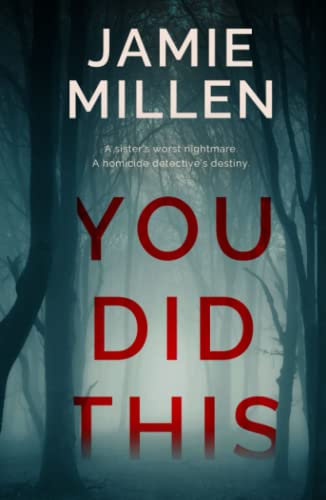
You Did This
Jamie Millen — Claire Wolfe Thrillers, Book 1
Detective Claire Wolfe comes back to Newburgh to investigate the murder that never stopped owning her life: her sister Tina's death in the woods twelve years earlier. But Claire is not approaching the case from solid ground. She has a hole in her memory from the day Tina died, her mother still calls her a murderer, and the evidence she keeps uncovering only makes it easier to imagine that she did something unforgivable and buried it inside her own mind.
That uncertainty turns every page into a trap. Claire is trying to solve her sister's murder while a detective closes in on the old case and a copycat killer starts hunting girls who look like Tina. Add in the blood she hallucinates on her hands and the book's procedural backbone, and you get exactly what this theme promises: a mystery told from inside the head of the person who might be guilty after all.

The Silent Patient
by Alex Michaelides
Alicia Berenson is found beside her husband's body with the murder weapon in her hand, then refuses to say another word. That silence turns her into both the obvious suspect and the central enigma, while everyone around her tries to decide whether her muteness is trauma, manipulation, or its own form of confession. Michaelides builds the novel around the unnerving pull of a protagonist who seems to answer the mystery before the story has even begun.
View on Amazon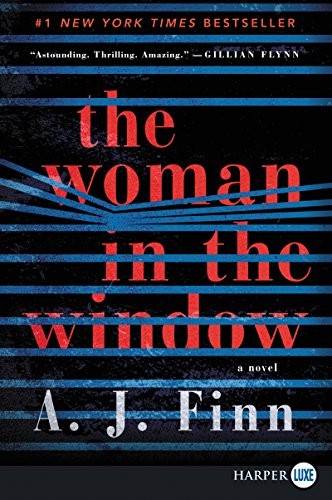
The Woman in the Window
by A.J. Finn
Anna Fox watches her neighbors from behind locked windows, mixes medication with alcohol, and witnesses violence nobody else believes happened. The brilliance of Finn's setup is that Anna is both the closest thing to a witness and the least reliable person in the room, so every attempt to tell the truth makes her look more unstable and more compromised. If you like thrillers where perception itself becomes incriminating evidence, this is essential reading.
View on Amazon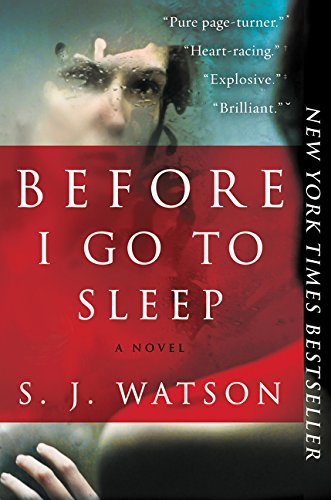
Before I Go to Sleep
by S.J. Watson
Christine wakes up every morning with no memory of who she is, which means she has to reconstruct her own life from whatever scraps other people hand her. That premise makes her frighteningly vulnerable, but it also makes her a question mark at the center of the narrative: if you cannot remember what you did, how can you swear you did not do something terrible? Watson turns identity loss into a slow, tightening suspicion that the protagonist's missing past may be the darkest clue in the book.
View on Amazon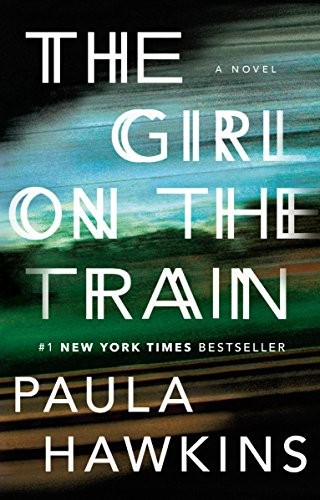
The Girl on the Train
by Paula Hawkins
Rachel's blackouts leave her with fragments instead of facts, which is exactly why Hawkins can make her feel like witness, victim, and suspect all at once. As she inserts herself into a missing-person case tied to the lives she has been obsessively watching from the train, the gaps in her memory start to look dangerously like motive and opportunity. Few thrillers do a better job of making the protagonist's own uncertainty feel like the strongest case against her.
View on Amazon