The Left Behind Effect: How End-Times Fiction Became a Genre
From Tim LaHaye to modern supernatural thrillers, how one series sparked an entire literary movement — and where it's going next.
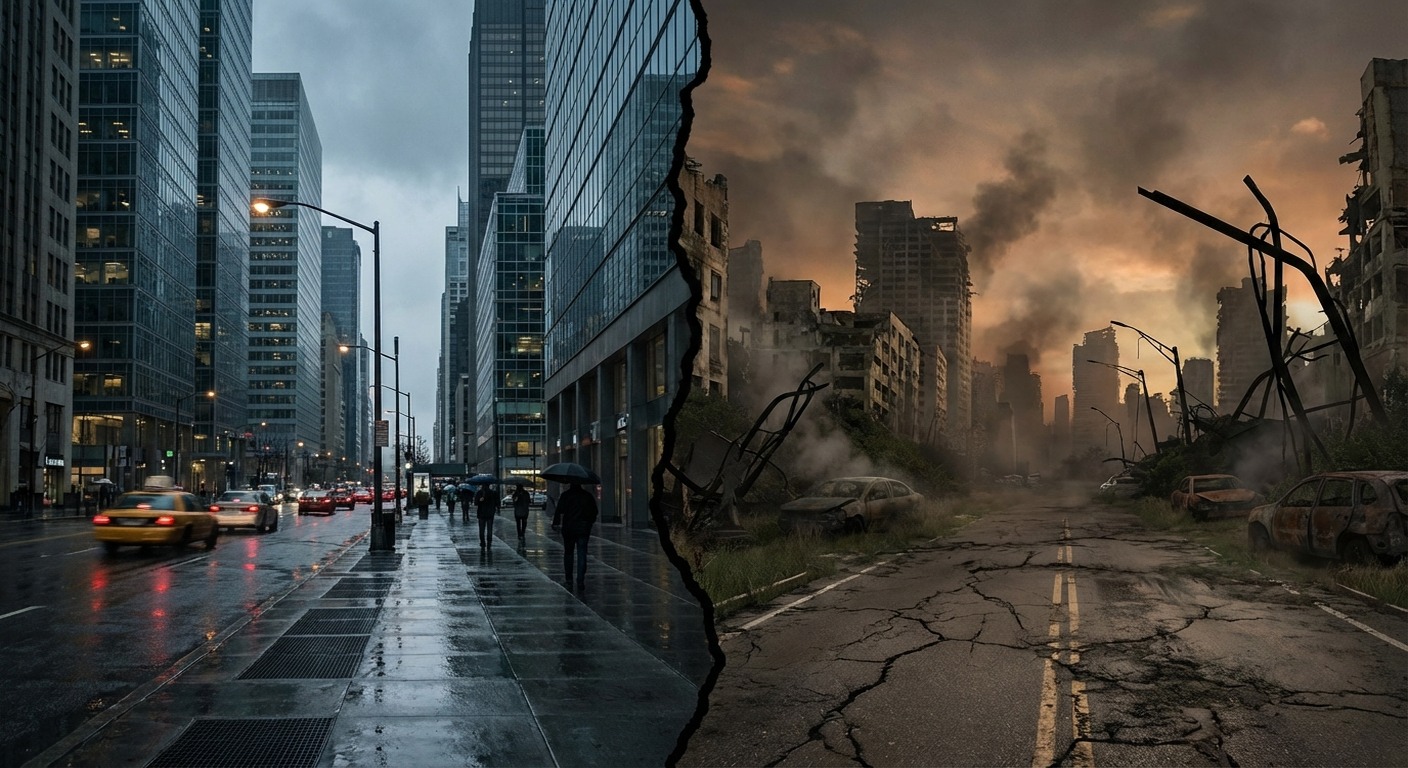
The apocalypse moved from prophecy charts to mainstream fiction.
Before Left Behind, End-Times fiction existed mostly in fragments: prophecy paperbacks, spiritual warfare novels, scattered apocalyptic thrillers. After Tim LaHaye and Jerry B. Jenkins turned the Rapture into a blockbuster engine, the field changed shape. Suddenly Revelation wasn't just a theological subject or a sermon-series obsession. It was a commercial storytelling machine: vanishings, global panic, Antichrist intrigue, and the unnerving pleasure of watching ordinary life buckle under cosmic pressure.
That series did more than sell millions of copies. It taught writers and readers that apocalypse could be serialized, intimate, political, even oddly addictive. You can see its fingerprints on everything from explicitly Christian thrillers to literary novels more interested in grief than doctrine. Some books widen the lens to global collapse. Others do the opposite, shrinking the End Times down to a marriage, a neighborhood, a single bewildered soul trying to understand what kind of world he has woken up into.
That may be where the genre is most alive now: not in bigger explosions, but in stranger, more human questions. What happens after the prophecy chart ends? What does faith look like when the miracle is inconvenient? And how do writers take the apocalyptic charge of Left Behind and turn it into something moodier, funnier, sadder, and more literarily adventurous? These books trace that evolution.
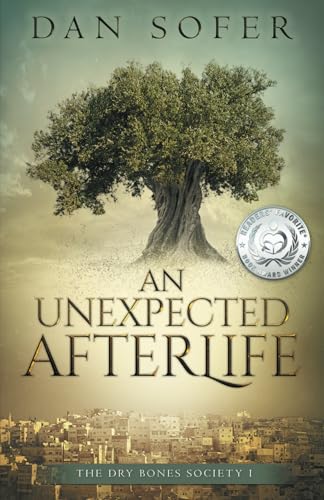
An Unexpected Afterlife
Dan Sofer — The Dry Bones Society, Book 1
If Left Behind made the apocalypse feel vast, Dan Sofer makes it feel unnervingly personal. Moshe Karlin wakes up in Jerusalem's Mount of Olives Cemetery with no clear memory of how he died, only the immediate problem of being officially deceased in a city not remotely equipped for resurrection. The miracle is Biblical. The setting is insistently modern: traffic jams, bureaucracy, old stone, bad timing, and a marriage already reshaped by grief.
What makes the novel such a compelling modern descendant of End-Times fiction is its refusal to choose between theology and texture. Sofer treats resurrection as spiritually weighty, emotionally costly, and occasionally darkly funny. Instead of the globe-spanning sweep of Tribulation politics, he gives you an intimate, character-driven story about second chances, love, and the absurd logistics of the dead returning to life in contemporary Jerusalem. The result is literary, warm, and surprisingly profound without losing the genre's electric sense that prophecy may be breaking into ordinary life right now.
For readers who grew up on apocalyptic spectacle but now want something more human-scaled and tonally daring, this is where the genre goes next: inward, stranger, and richer.
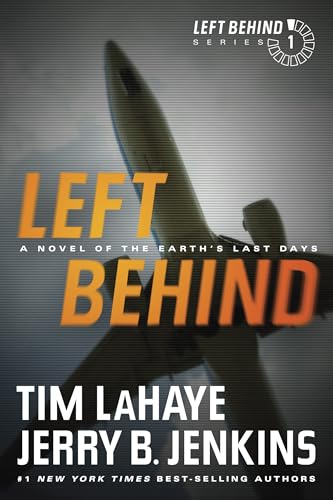
Left Behind
by Tim LaHaye & Jerry B. Jenkins
The genre-defining classic still matters because it established the emotional grammar so many later books either inherit or resist: sudden disappearance, spiritual urgency, geopolitical dread, and the thrill of prophecy unfolding in real time. Even now, it remains the clearest place to see how End-Times fiction became a mass-market phenomenon rather than a niche curiosity.
View on Amazon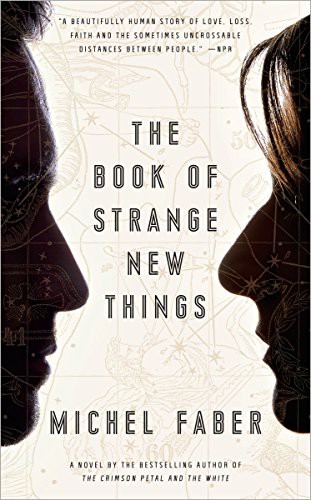
The Book of Strange New Things
by Michel Faber
Faber takes spiritual unease and apocalyptic atmosphere in a far more literary direction, following a missionary sent to a distant world while Earth itself edges toward collapse. The novel isn't interested in Tribulation mechanics; it's interested in estrangement, faith under pressure, and the eerie sense that the end may arrive not with spectacle but with emotional and cosmic dislocation.
View on Amazon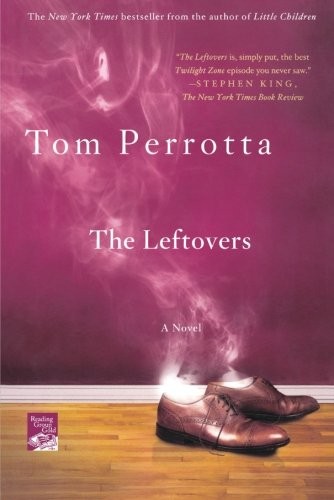
The Leftovers
by Tom Perrotta
If Left Behind asks what happens when prophecy proves true, Perrotta asks what happens when a Rapture-like event occurs and nobody gets an explanation. The power here is radically intimate: suburban grief, broken families, cult psychology, and the terrible vacuum left when transcendence arrives without clarity. It's one of the sharpest post-rapture novels ever written.
View on Amazon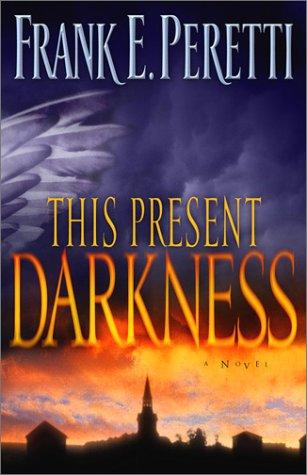
This Present Darkness
by Frank E. Peretti
Peretti's spiritual-warfare landmark predates the LaHaye-Jenkins empire, but it helped prepare readers for fiction in which unseen supernatural conflict presses directly on everyday life. Its angels-and-demons urgency is less about the Rapture than cosmic battle, yet you can feel in it the same appetite for suspense driven by theological stakes that would later fuel the End-Times boom.
View on Amazon