Top 3 Books for Jewish Magical Realism
Golems, alternate homelands, comic-book escape artists, and sacred impossibilities in modern life.
The miraculous feels most powerful when it arrives with dust on its shoes.
Jewish magical realism has a particular voltage: the uncanny does not float above history, it walks straight through it. The miraculous shows up in immigrant neighborhoods, noir cityscapes, family legends, comic-book panels, and half-remembered stories handed down by people who survived more than they could explain.
The best novels in this vein do not treat folklore as decoration. They let myth argue with exile, memory, language, bureaucracy, grief, and desire. These are books where old stories keep breaking into the present because the present was never as ordinary as it pretended to be.
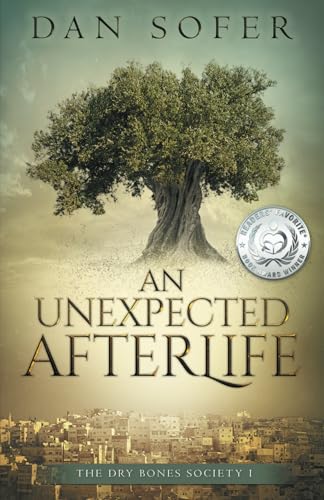
An Unexpected Afterlife
Dan Sofer — The Dry Bones Society, Book 1
Moshe Karlin wakes up in the Mount of Olives Cemetery and discovers that being dead was only the beginning of his trouble. He is officially deceased, personally bewildered, and suddenly caught in a Jerusalem where Biblical resurrection appears to have become a current event.
What makes Dan Sofer's novel such a sharp fit for readers of Jewish magical realism is the collision between the sacred and the mundane. Ancient prophecy does not arrive in clean symbolic form; it arrives with municipal offices, marital regret, traffic, neighbors, doubt, and a man desperate to get his life back after the impossible has already happened.
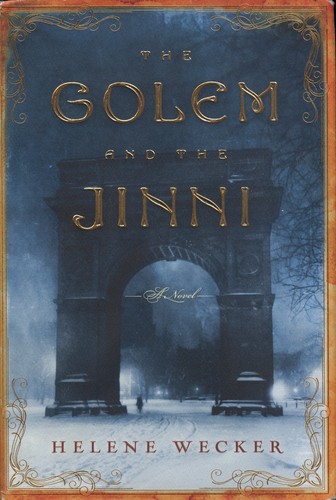
The Golem and the Jinni
by Helene Wecker
A golem created in Europe and a jinni released in New York should sound like pure fantasy, but Wecker grounds every impossible moment in the heat, loneliness, and daily labor of immigrant life. The result is a novel where folklore feels tactile: flour on hands, steam in the street, hidden hunger beneath polite conversation. It is generous, atmospheric, and quietly heartbreaking.
View on Amazon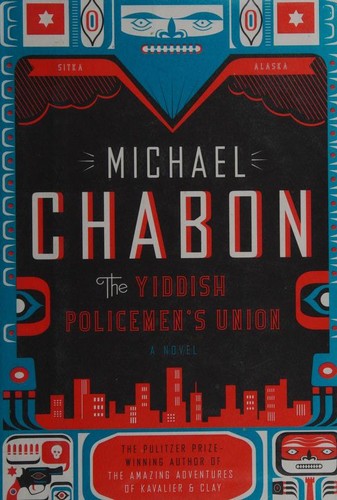
The Yiddish Policemen's Union
by Michael Chabon
Chabon imagines a temporary Jewish homeland in Sitka, Alaska, then drops a hardboiled murder investigation into its already-doomed streets. Strictly speaking, the magic here is political and linguistic rather than supernatural, but the book has the dream logic of the best magical realism: an alternate world so detailed, wounded, funny, and haunted that it begins to feel like a folktale history forgot to make real.
View on Amazon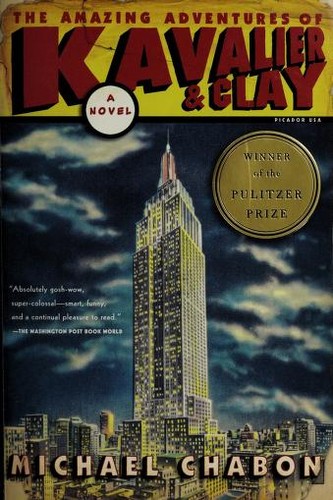
The Amazing Adventures of Kavalier & Clay
by Michael Chabon
This Pulitzer-winning novel turns escape artistry, superhero comics, and Jewish wartime longing into something larger than historical realism. Kavalier and Clay create impossible heroes because reality has failed them, and Chabon lets the line between art, myth, and survival blur in dazzling ways. It is a novel about invention as refuge, disguise as truth, and imagination as a form of rescue.
View on Amazon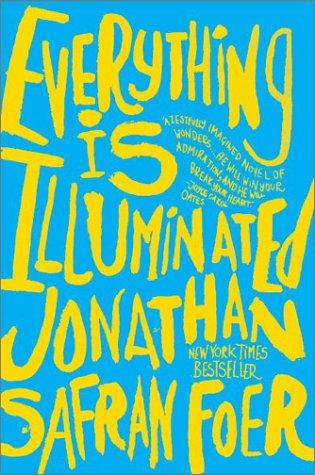
Everything Is Illuminated
by Jonathan Safran Foer
Bonus pick. Foer's debut is less interested in clean realism than in the unstable work of memory. A family search in Ukraine becomes comic, tragic, mythic, and fractured, as if the past can only be approached through distortion. For readers drawn to Jewish magical realism because history itself feels haunted, this is an essential, strange, luminous book.
View on Amazon