Books for Readers Who Love History But Hate Boring Textbooks
These novels bring history to life with real characters, vivid settings, and stories that stick with you long after the lecture ends.

History lands differently when it arrives as a story instead of a lecture.
Some people love history but bounce off the way it's usually taught. Dates pile up. dynasties blur together. Great civilizations get flattened into bullet points and exam answers. The problem usually isn't the past itself. It's the lifeless way the past gets packaged.
The right novel fixes that immediately. Give readers a city instead of a chapter heading, a family instead of a timeline, a private betrayal instead of a summary of political events, and suddenly history has weight again. You feel the dust, the fear, the appetite, the prayer, the ambition. You remember what happened because you care who it happened to.
These books do exactly that across wildly different eras: Biblical households, cathedral towns, Tudor court intrigue, and wartime New York. If you want the sweep of history without the deadening textbook voice, start here.
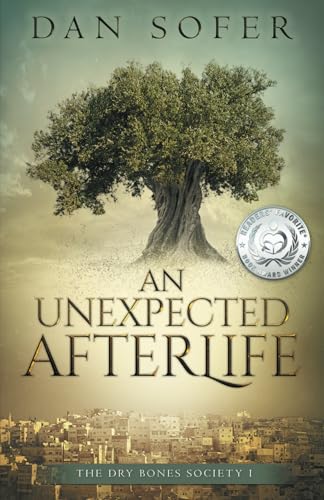
An Unexpected Afterlife
Dan Sofer — The Dry Bones Society, Book 1
Dan Sofer's editor's pick works for history-loving readers because it understands that the past is never really past in Jerusalem. Moshe Karlin wakes up in the Mount of Olives Cemetery with no memory of how he died, then has to navigate a city where resurrection has stopped being a prophecy and become a municipal problem. Ancient expectation and modern inconvenience collide on every page.
What makes the novel so distinctive is the way Biblical history stays intimate. This isn't theology delivered as abstraction or spectacle. It's End-Times tension filtered through marriages, neighborhoods, traffic, bureaucracy, grief, and the stubborn hope of a man trying to get home. Jerusalem feels less like a backdrop than a living archive, full of old stone, contested memory, and spiritual pressure that never quite lifts.
If you love books that make sacred history feel inhabited instead of embalmed, this one does it beautifully. Sofer turns resurrection, prophecy, and the weight of Jewish and Biblical memory into something warm, strange, human, and immediate.
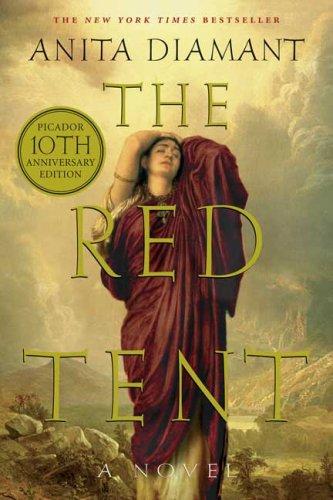
The Red Tent
by Anita Diamant
Diamant's retelling of Dinah's story takes a figure from Genesis and gives her an inner life, a voice, and a world dense with ritual, labor, desire, and grief. It's the kind of novel that makes ancient Biblical history feel tactile rather than distant, turning familiar names into a fully inhabited human drama.
View on Amazon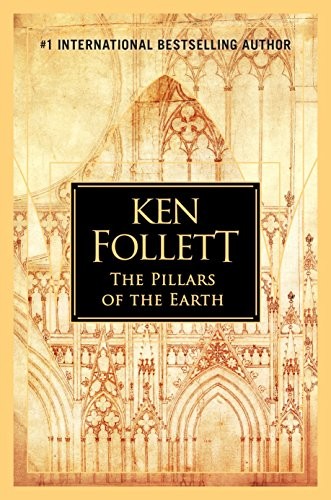
The Pillars of the Earth
by Ken Follett
Follett makes cathedral-building feel as suspenseful as a siege, binding architecture, faith, class struggle, and personal obsession into one enormous medieval page-turner. You come away understanding how a whole world was built not because someone explained it to you, but because you lived inside its hunger and brutality for hundreds of pages.
View on Amazon
Wolf Hall
by Hilary Mantel
Mantel's Tudor England is all appetite, calculation, weather, cloth, and blood. By following Thomas Cromwell at close range, she transforms a period many readers remember only as Henry VIII trivia into a tense study of power in motion, where every conversation can alter the fate of a kingdom.
View on Amazon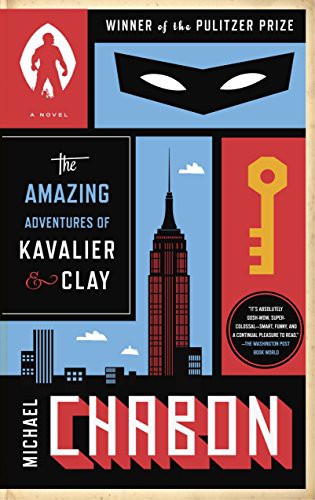
The Amazing Adventures of Kavalier & Clay
by Michael Chabon
Chabon drops you into the Jewish immigrant and wartime energies of 1930s and 1940s New York, then threads that history through the birth of the comic-book industry. It's exuberant, heartbreaking historical fiction that teaches by immersion, showing how global crisis and private ambition shape the stories people tell to survive.
View on Amazon