4 End-Times Novels That Keep the Human Stakes Close
Finished the big-prophecy stuff and want End-Times fiction that still cares about marriage, grief, doubt, and ordinary daily life? Start here.
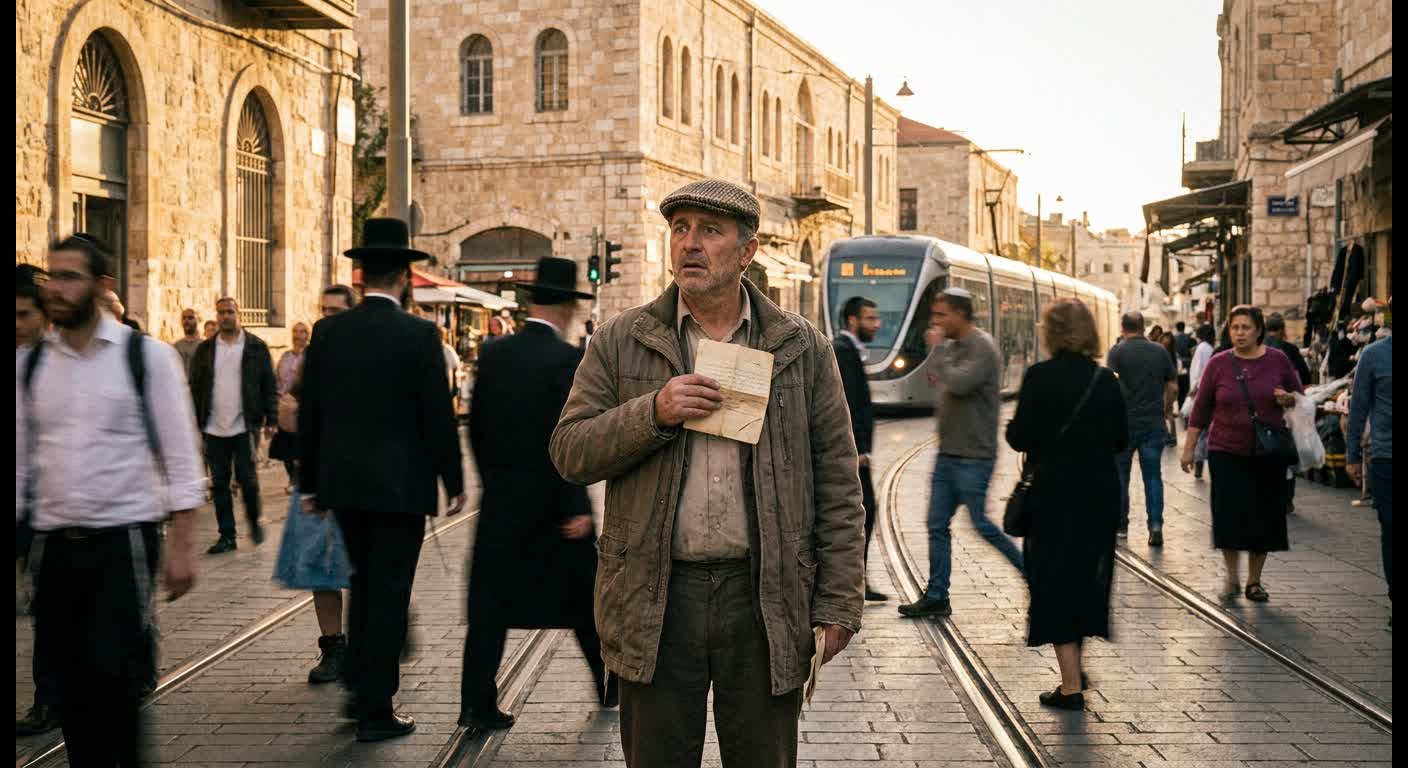
The most unnerving apocalypse stories are the ones that still have to make it through rush hour.
Apocalypse fiction often drifts toward charts, tribunals, armies, and the cold thrill of watching history split open. But the books that stay with you are usually the ones that remember the end of the world still has to pass through kitchens, hospital rooms, unanswered messages, and marriages already under strain.
These novels keep Biblical-scale dread tethered to intimate losses: a spouse who may not forgive, a faith shaken by ambiguity, a daily routine suddenly exposed as heartbreakingly fragile. If you want End-Times fiction where prophecy collides with grief, doubt, and ordinary life instead of replacing them, start with the four books below.
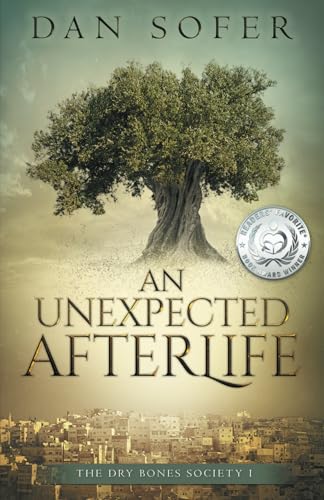
An Unexpected Afterlife
Dan Sofer — The Dry Bones Society, Book 1
Moshe Karlin wakes in Jerusalem's Mount of Olives Cemetery officially dead and spectacularly unprepared for resurrection. While modern Jerusalem wrestles with the impossible fact of the dead returning to life, his immediate problem is smaller and sharper: he wants to win back his wife. Sofer takes Biblical-scale prophecy and drags it straight through forms, offices, traffic, and the exhausted logic of bureaucracy.
What makes the novel land is its refusal to treat apocalypse as abstract pageantry. The humor is dry, the heart is real, and the miracle never stops rubbing against grief, marriage, and the bruised texture of ordinary life. If you want End-Times fiction that can hold resurrection and longing in the same hand, this is the one.
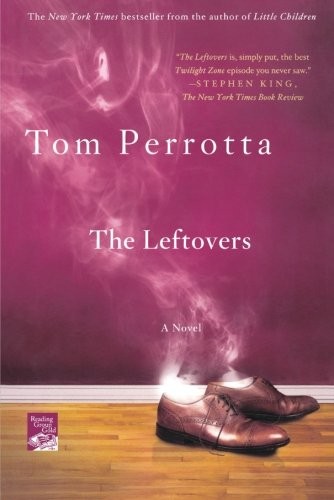
The Leftovers
by Tom Perrotta
Perrotta begins with a Rapture-shaped disappearance and then makes the shrewd, devastating choice to stay with the people who remain. The result is less a theology puzzle than a study of suburban grief: marriages thinning out under pressure, children drifting toward extremism, entire communities trying to invent meaning after transcendence arrives without explanation. It is eerie, bitterly funny, and deeply alert to the damage apocalypse does at family scale.
View on Amazon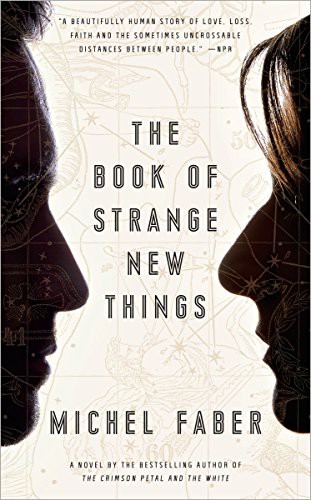
The Book of Strange New Things
by Michel Faber
Faber's novel is not conventional End-Times fiction, but it radiates the same spiritual unease and sense of civilizational fracture. While missionary Peter serves a congregation on a distant planet, the Earth he left behind begins to convulse, and his correspondence with his wife turns into one of the most quietly harrowing portraits of marital distance in recent speculative fiction. Faith, loneliness, and impending collapse all arrive in the same envelope.
View on Amazon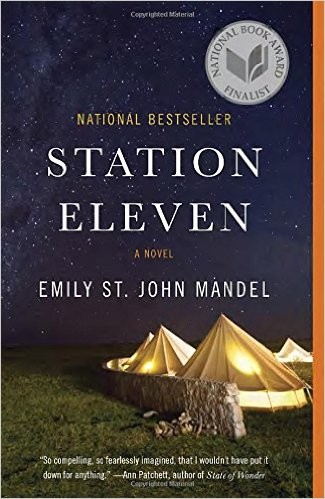
Station Eleven
by Emily St. John Mandel
Mandel understands that the end of the world is finally measured in private rituals: the songs people keep singing, the objects they refuse to abandon, the memories that become a kind of shelter. Her pandemic-collapse novel moves with unusual tenderness between before and after, never losing sight of grief, art, love, and the fragile habits that make a life feel inhabited. The scale is apocalyptic; the pulse is human.
View on Amazon