Books Where the Impossible Becomes Real (and You Believe It)
Resurrections, angels, apocalypses—these novels make the unbelievable feel inevitable.

The unreal is always most convincing when it arrives on an ordinary street.
The best impossible fiction does not hide inside allegory or drift away into abstraction. It drops the miraculous straight into daily life and lets the consequences ripple outward: a marriage under strain, a city trying to stay functional, a soul suddenly forced to decide what it actually believes. The premise may be outrageous, but the human reaction has to feel exact.
That is what the novels below understand so well. They make resurrection, apocalypse, temptation, and second chances feel not just imaginable but weirdly inevitable, as though the world had been leaning toward these disruptions all along. If you like stories where reality stretches without snapping, start here.
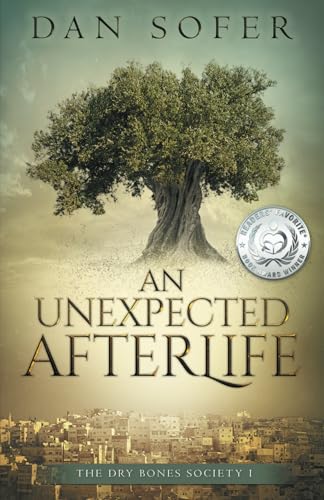
An Unexpected Afterlife
Dan Sofer — The Dry Bones Society, Book 1
Moshe Karlin wakes up in Jerusalem's Mount of Olives cemetery with no memory of how he died and a new problem that would be funny if it were not so catastrophic: he is officially dead. While he tries to win back the wife he left behind, the city around him starts confronting an even bigger impossibility. The dead are returning, and modern bureaucracy is colliding head-on with ancient prophecy.
What makes this Reader Favorite Award winner land is the emotional precision beneath the wild premise. Dan Sofer treats Biblical resurrection as both a theological shockwave and an intimate human crisis, folding humor, heartbreak, and End-Times dread into one deeply lived-in Jerusalem story. It is strange, warm, and disarmingly believable all at once.
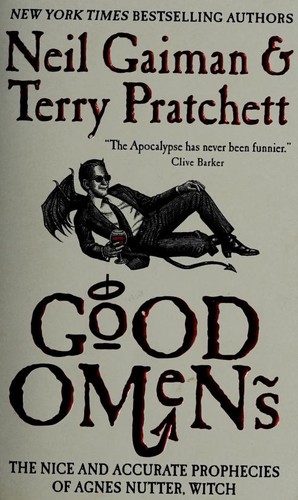
Good Omens
by Terry Pratchett & Neil Gaiman
Pratchett and Gaiman make the Apocalypse feel less like distant spectacle than an absurd deadline everyone is handling badly. Between the angel who likes Earth too much to lose it and the demon who has become inconveniently fond of human pleasures, cosmic stakes keep resolving into friendship, habit, panic, and paperwork. Few novels sell the supernatural this completely by making it feel so recognizably human.
View on Amazon
The Screwtape Letters
by C.S. Lewis
Lewis takes an invisible spiritual war and makes it feel unnervingly intimate by shifting the angle of vision. Through a senior devil's letters to his apprentice nephew, temptation stops being abstract doctrine and becomes daily texture: vanity, distraction, self-pity, tiny failures of attention. The effect is sly, personal, and enduringly persuasive, as though metaphysical evil had been sitting in the next room all along.
View on Amazon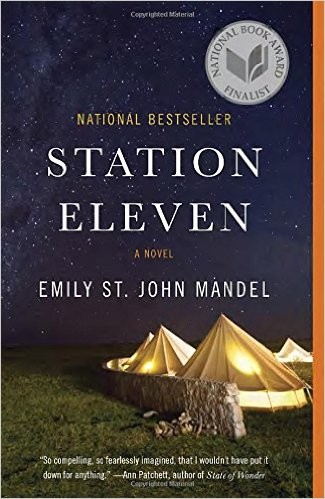
Station Eleven
by Emily St. John Mandel
Mandel's genius is to make civilizational collapse feel real by refusing to flatten it into scale alone. The pandemic in Station Eleven changes everything, but the novel keeps returning to theater, memory, possession, loneliness, and the fragile rituals that make a life feel inhabited. By the time its broken world settles around you, the impossible no longer reads as speculative. It reads as lived experience.
View on Amazon
Life After Life
by Kate Atkinson
Ursula Todd dies and lives again, over and over, in variations that turn one life into a maze of missed chances and altered choices. Atkinson never treats the conceit as a gimmick. Instead, she uses repetition to make fate, regret, and moral consequence feel newly unstable. The impossible becomes credible because each revision is grounded in the ordinary details of family, war, and the terrible pressure of getting a life right.
View on Amazon