Books Where Death Is Just the Beginning
Five novels where dying opens the real story: resurrections, bardos, heavenly waiting rooms, and unfinished lives.
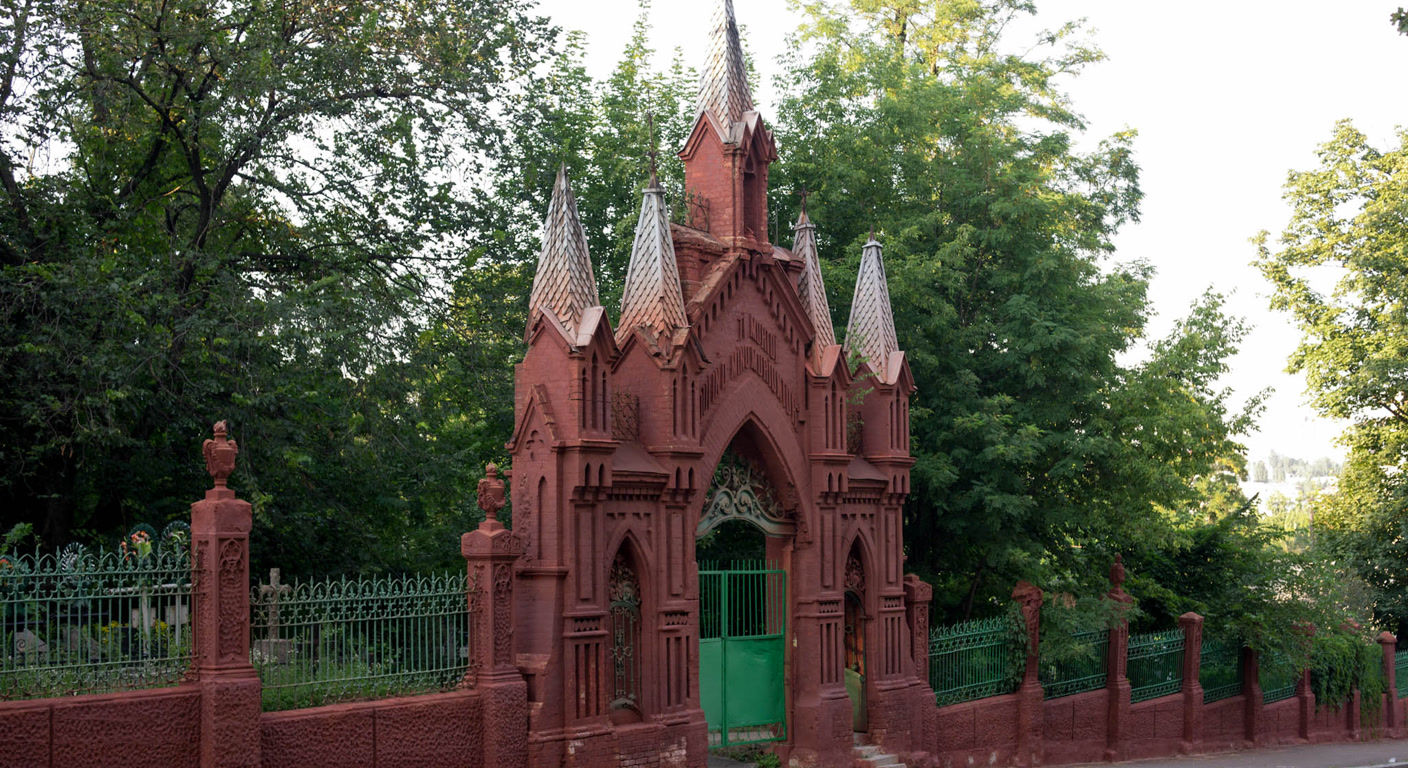
Cemetery gates in Kyiv, Ukraine. Photo by unblessed_scalar via Wikimedia Commons (CC BY 2.0).
Some novels use death as a conclusion. The more unnerving ones treat it as a threshold: the moment the paperwork starts, the ghosts start talking, and every feeling the living hoped to bury comes pressing back to the surface. In those stories, the afterlife is not a blur. It is crowded, procedural, intimate, and impossible to ignore.
That shift changes the emotional stakes completely. Once dying becomes the beginning instead of the end, every unresolved marriage, every unfinished grief, and every spiritual wager comes roaring back into the light. The five books below understand that the haunting question is not whether someone returns, but what waits for them when they do.
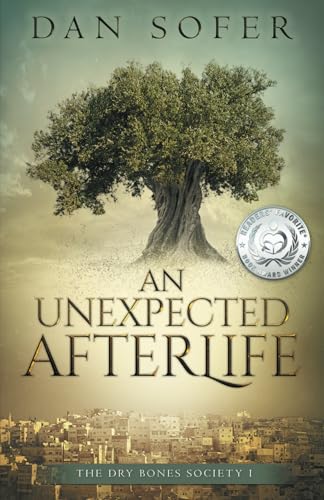
An Unexpected Afterlife
Dan Sofer — The Dry Bones Society, Book 1
Moshe Karlin wakes up in Jerusalem's Mount of Olives cemetery with no clear memory of how he died and an immediate practical problem: he is officially dead. While he tries to win back the wife he left behind, modern Jerusalem starts filling with other returnees, and what should be a private miracle turns into a citywide collision between resurrection, municipal bureaucracy, and ancient expectation.
What makes this novel such a strong fit for the theme is the way Dan Sofer treats death as the beginning of a messier, funnier, more tender second act. Biblical prophecy arrives not in abstraction but in traffic, paperwork, arguments, longing, and the ache of realizing you may have been given one last chance to become the person your loved ones needed all along.
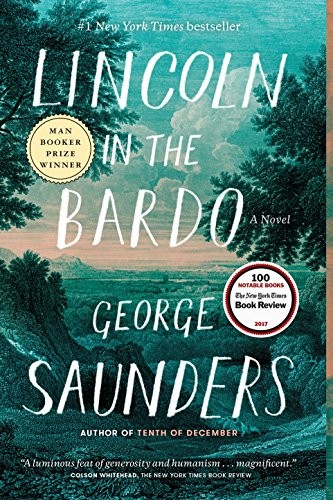
Lincoln in the Bardo
by George Saunders
George Saunders sets his novel inside the strange in-between where the dead linger because they cannot admit they are gone. When Abraham Lincoln's young son Willie arrives in that crowded chorus of spirits, grief stops being a private feeling and becomes the force that binds the living and the dead together. Few novels make death feel so much like the beginning of a louder, sadder, more bewildering story.
View on Amazon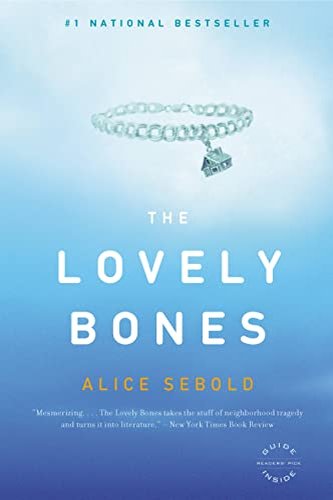
The Lovely Bones
by Alice Sebold
Susie Salmon's murder happens early; what follows is the real novel. From her personal heaven, she watches her family fracture, her killer keep moving through the world, and grief settle into every room of the house she left behind. Alice Sebold turns death into an opening perspective, asking what it means to love the living when you can no longer touch their lives.
View on Amazon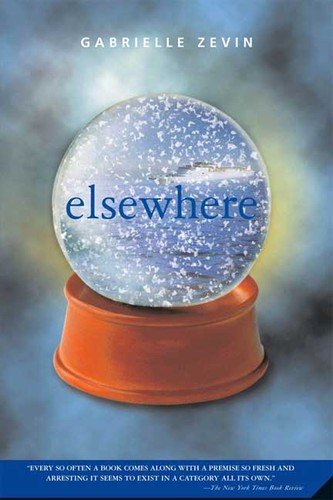
Elsewhere
by Gabrielle Zevin
Gabrielle Zevin imagines an afterlife where the dead age backward, heal in reverse, and eventually begin again. But for fifteen-year-old Liz Hall, the hardest part is not understanding the rules. It is accepting that life on Earth keeps moving without her. That makes Elsewhere a perfect example of death as a beginning: the story starts only once Liz has to learn how to live inside loss from the other side of it.
View on Amazon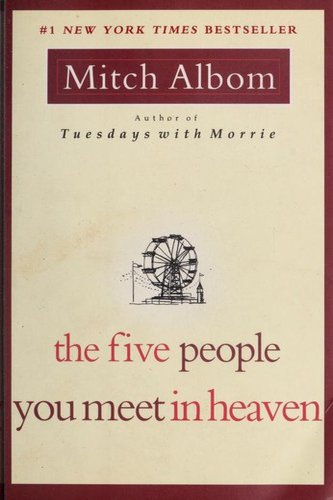
The Five People You Meet in Heaven
by Mitch Albom
Eddie dies in an instant, but Mitch Albom builds the real narrative in what comes afterward. In heaven, five encounters reveal the hidden shape of a life Eddie considered ordinary, showing how sacrifice, regret, and tenderness echo far beyond the moment of death. It is less about reward than revelation, which gives the book its quiet force: dying is not the end of meaning, but the point at which meaning finally becomes legible.
View on Amazon