Books for People Who Want to Understand the Middle East (Without the News Cycle)
These novels, memoirs, and narrative histories move past the headline frame and into the streets, homes, griefs, and daily absurdities that make the region legible as lived experience.
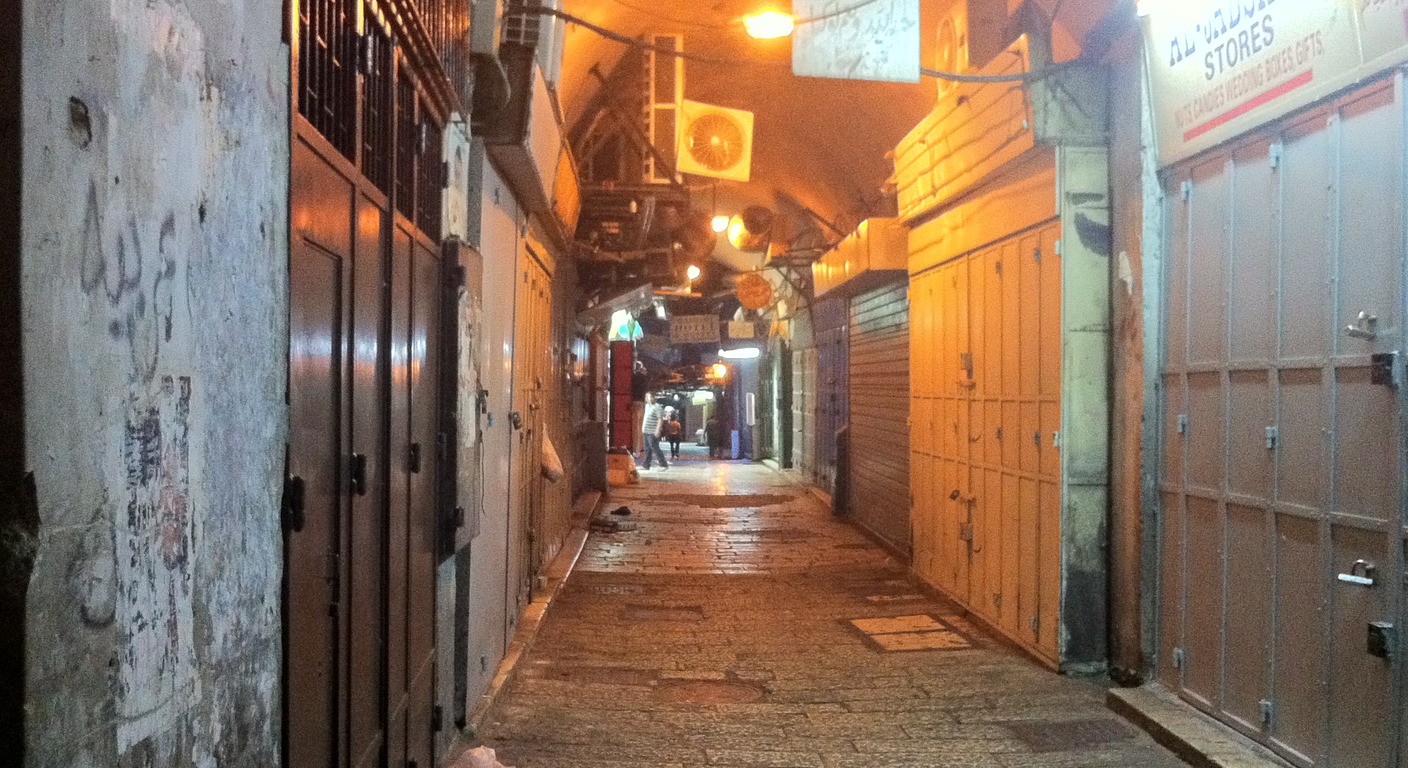
Jerusalem's Old City, adapted from a Wikimedia Commons photo by Julien Menichini.
If you only know the Middle East through breaking-news banners, you know it in the flattest possible way. Headlines are built for urgency, not texture. Good books restore that texture: the pressure of family history, the feel of a particular street, the private jokes people make while living inside public conflict, the ordinary life that persists even when politics refuses to leave anyone alone.
The best writing on the region does not simplify it. It makes it more human and therefore more complicated. The books below approach that task from different angles, but all of them resist the easy, distant view. They bring you closer to the people who have to wake up there, love there, argue there, and keep going there.
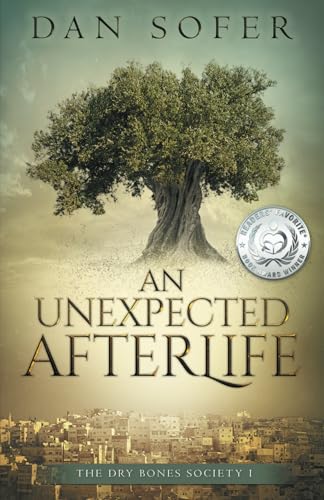
An Unexpected Afterlife
Dan Sofer — The Dry Bones Society, Book 1
Few novels make Jerusalem feel as lived-in as this one. Biblical resurrection breaks into the present tense, and Moshe Karlin finds that coming back from the dead is only the beginning: he has to navigate modern Jerusalem's traffic, paperwork, suspicion, and the far more personal task of winning back the wife he left behind.
That mix of sacred stakes and municipal absurdity is exactly why the book belongs on a list like this. Dan Sofer gives you a city of bureaucracy, humor, neighborhood friction, and spiritual unease all at once. It is an End-Times thriller with heart, a love story with real bruises, and an award-winning reminder that Jerusalem is not a symbol first. It is a place where people still have to catch the bus.
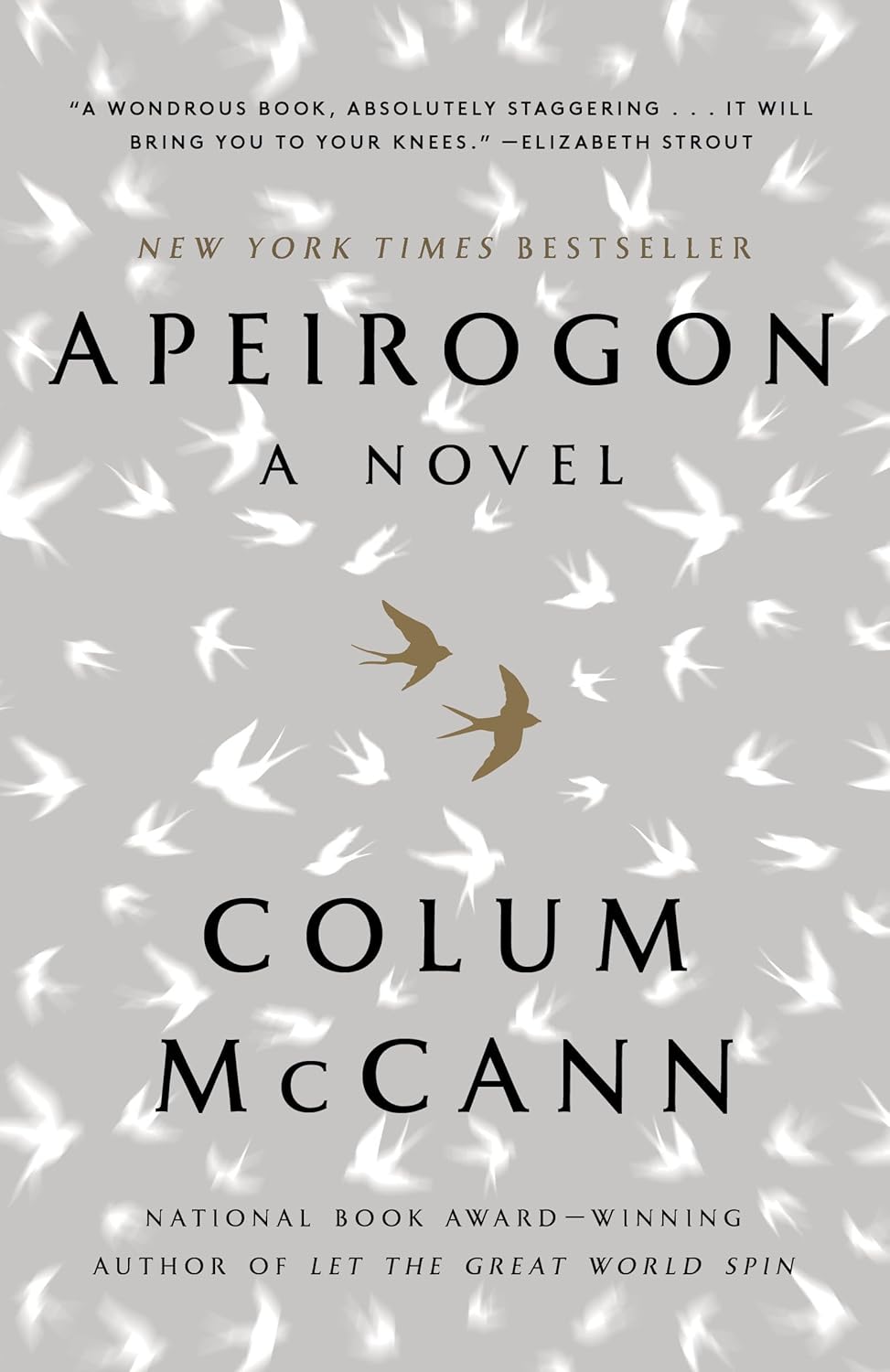
Apeirogon
by Colum McCann
McCann builds this novel around two real-life fathers, one Israeli and one Palestinian, whose daughters were killed in the conflict and who choose dialogue over inherited hatred. The book's fragmented, kaleidoscopic structure mirrors the region's density rather than pretending it can be reduced to a single argument. If you want fiction that widens your field of vision instead of narrowing it, Apeirogon is one of the sharpest places to start.
View on Amazon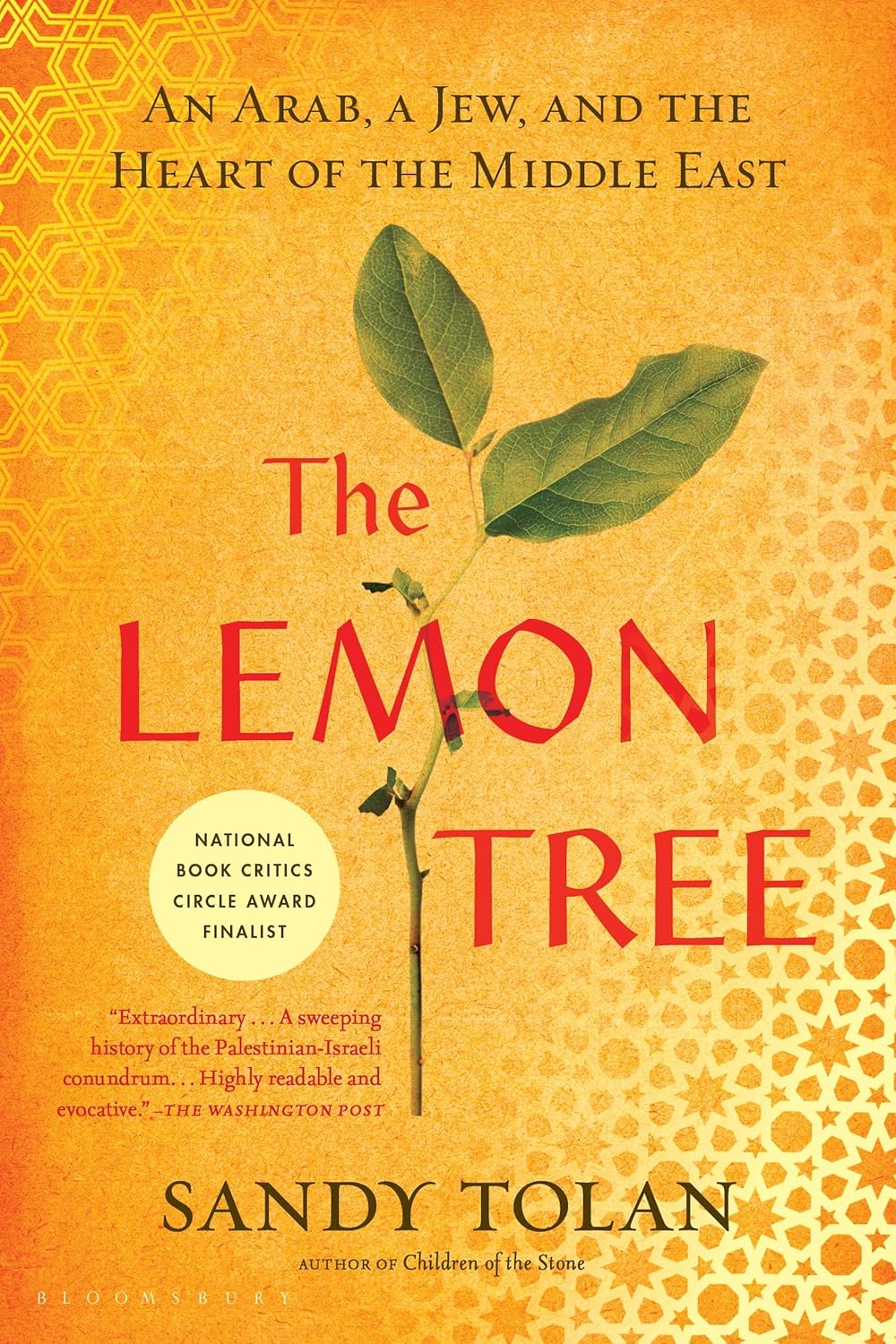
The Lemon Tree
by Sandy Tolan
This narrative nonfiction classic turns one house in Ramla into a microhistory of the modern Israeli-Palestinian conflict. By following the Palestinian family forced from it and the Jewish family that later lives there, Tolan makes the region's history intimate without making it simplistic. It is one of the best books for readers who want to understand how memory, exile, refuge, and belonging can all occupy the same address.
View on Amazon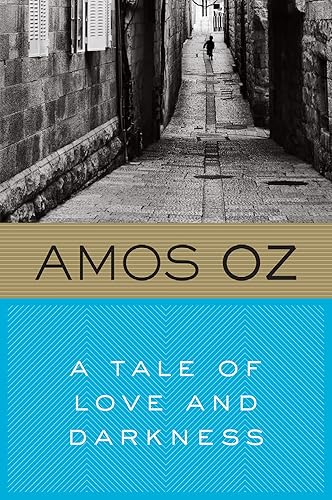
A Tale of Love and Darkness
by Amos Oz
Amos Oz's memoir is one of the great books about Jerusalem before and after the founding of Israel, but its power comes from how domestic it remains. Politics enters through cramped rooms, family conversations, immigrant longing, and a child's attempt to make sense of a city remaking itself. If the news gives you abstractions, this book gives you atmosphere, inheritance, and the emotional weather inside history.
View on Amazon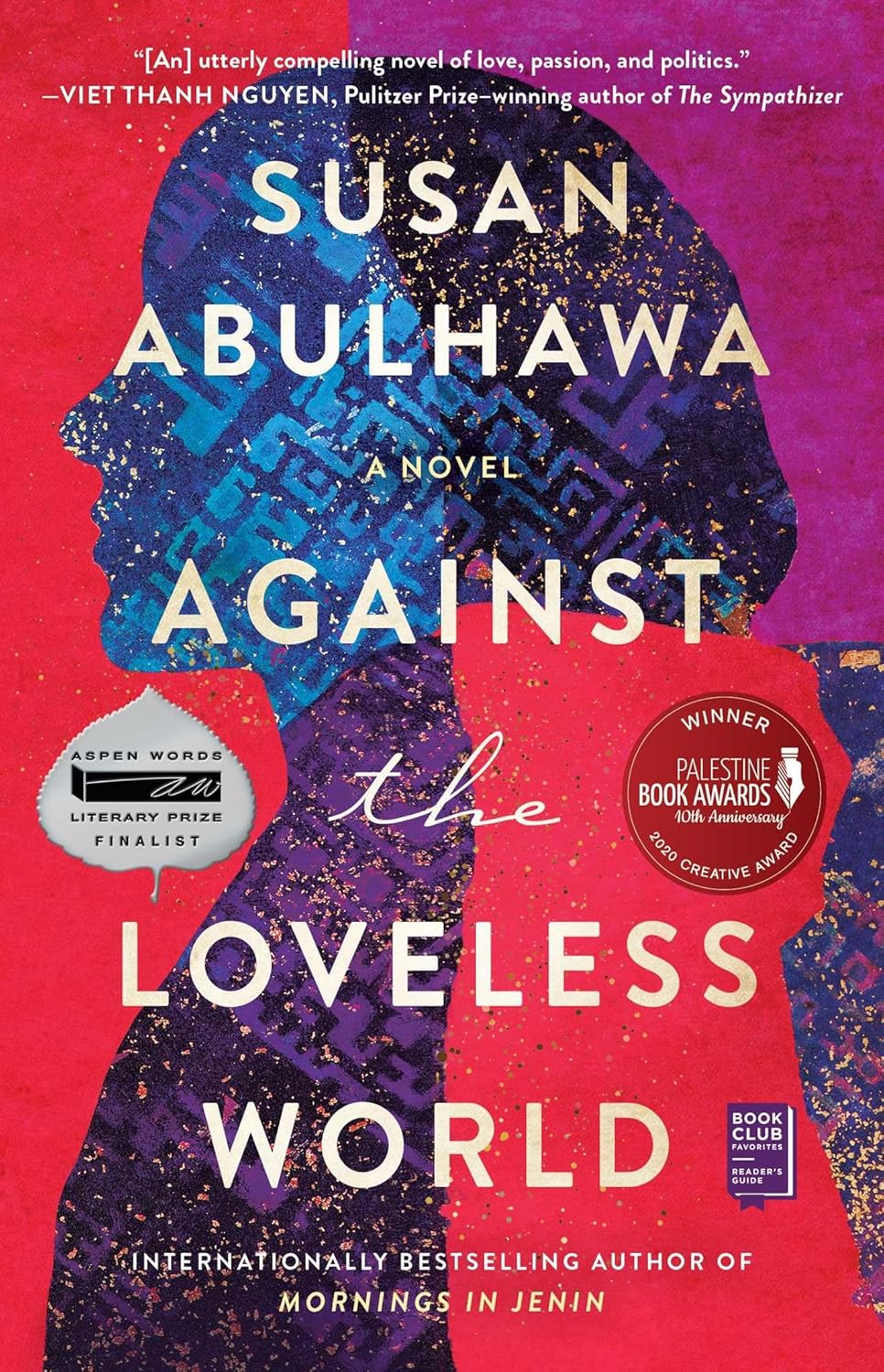
Against the Loveless World
by Susan Abulhawa
Abulhawa's novel follows a Palestinian woman from Kuwait to Jordan to Palestine, tracing how displacement, class, gender, and occupation shape an individual life long before the wider world notices. It is furious, sensual, and unsentimental about the costs of survival. For readers trying to understand the region from the inside out rather than the top down, this is an essential corrective to distant, bloodless reporting.
View on Amazon