What If Biblical Prophecy Came True? The Best End-Times Fiction
From rapture-like vanishings to plagues of biblical proportion, these novels imagine what happens when prophecy stops being metaphor and starts being Monday.
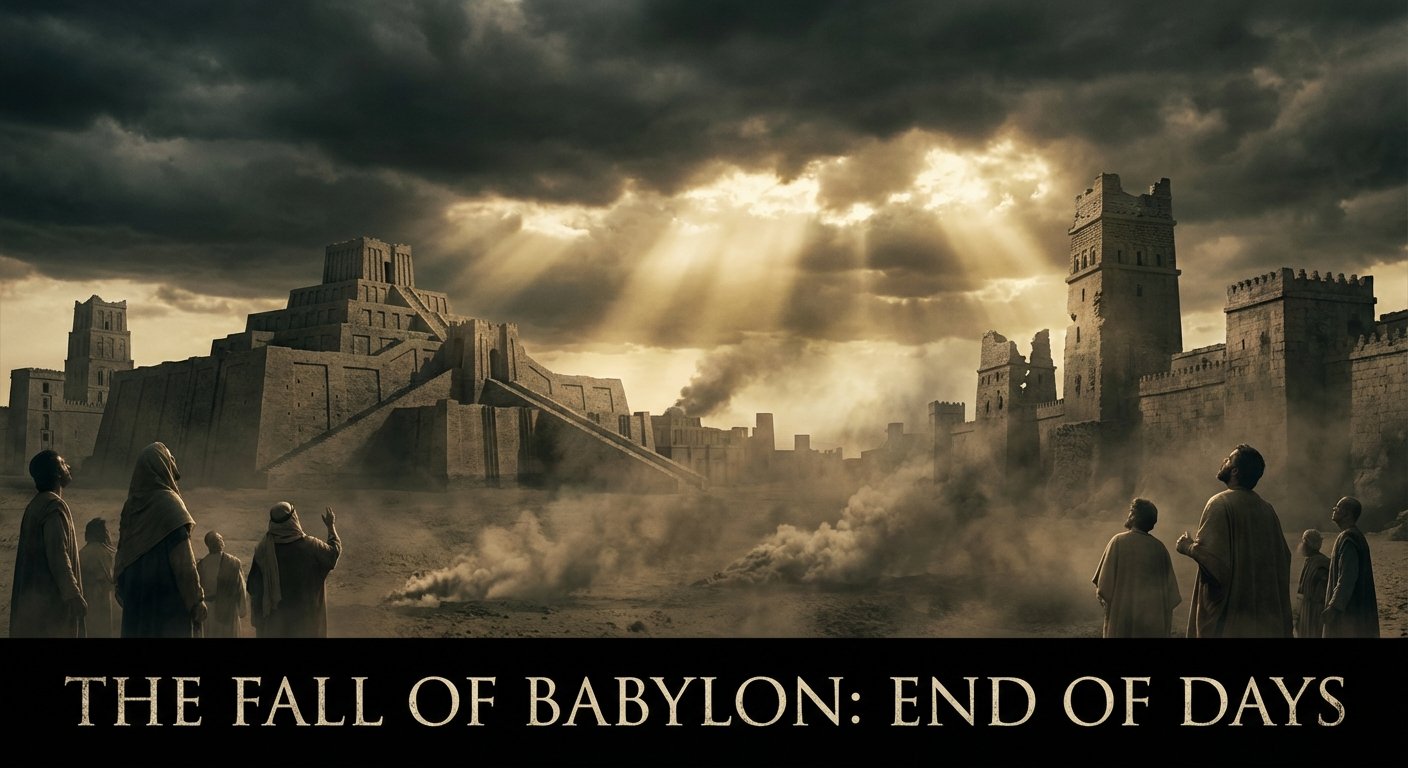
What if the end isn't a metaphor?
Every culture has its end-of-the-world story. But there's a particular thrill to fiction that takes biblical prophecy — the stuff people have debated, feared, and believed for millennia — and asks: what if it actually happened? Not in some distant, symbolic way, but right now, in a world with smartphones and rush-hour traffic and people who definitely did not see this coming.
The best end-times fiction doesn't just dramatize catastrophe. It uses the apocalypse as a lens to examine what we value, what we'd fight for, and what we'd become when the rules of reality suddenly change. Whether the dead are rising, civilization is collapsing, or the Rapture just ruined everyone's Tuesday, these books turn prophecy into page-turning fiction.
Here are five novels that imagine the end of the world — and make you grateful it's only a book.
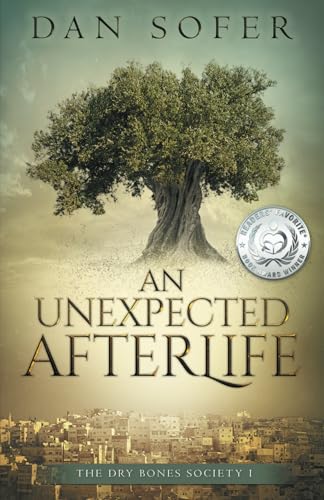
An Unexpected Afterlife
Dan Sofer — The Dry Bones Society, Book 1
Moshe Karlin wakes up in a freshly dug grave in Jerusalem with no idea how he got there. He's been dead for two years. His wife has remarried. His life insurance has been cashed. And he's not the only one crawling out of the ground. The dead are rising in the Holy City, and nobody — not the rabbis, not the government, not the formerly deceased themselves — has any idea what to do about it.
Dan Sofer takes the Ezekiel 37 prophecy of the dry bones and drops it into modern Jerusalem with wicked humor, genuine heart, and a mystery that keeps tightening. This isn't fire-and-brimstone apocalypse fiction. It's a story about ordinary people dealing with the most extraordinary possible disruption to their lives — told from a Jewish perspective you almost never see in the genre. Moshe just wants his wife back. The universe has other plans.
If you loved the "what if" premise of Left Behind but wished it had more humor, more humanity, and a completely fresh cultural lens, this is your book.
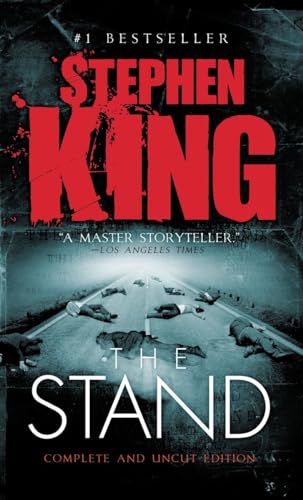
The Stand
by Stephen King
A weaponized super-flu wipes out 99% of humanity, and the survivors find themselves drawn to one of two figures: the benevolent Mother Abagail or the demonic Randall Flagg. King's magnum opus is biblical in scope without apology — it's a 1,100-page battle between good and evil where the apocalypse is just the opening act. The real story is what people build (and destroy) in the aftermath, and whether free will means anything when prophecy keeps nudging you toward a final stand in Las Vegas.
View on Amazon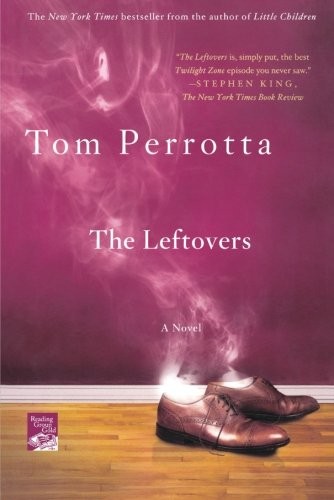
The Leftovers
by Tom Perrotta
On October 14th, millions of people vanish without a trace. It looks like the Rapture — except the people who disappeared weren't all virtuous, and the ones left behind have no idea what to believe. Perrotta's genius is ignoring the cause entirely and focusing on the aftermath: the cults that spring up, the marriages that fracture, the quiet devastation of a suburban dad trying to hold his family together when half the world has lost its mind. It's the Rapture novel for people who care more about the human wreckage than the theology.
View on Amazon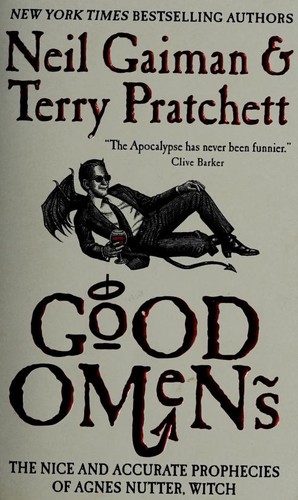
Good Omens
by Terry Pratchett & Neil Gaiman
The Antichrist has been born, the Four Horsemen are saddling up, and Armageddon is scheduled for Saturday. The only problem? An angel and a demon who've been living on Earth for six thousand years have gone native and would really rather the world didn't end — they've grown quite fond of sushi restaurants and Bentleys. Pratchett and Gaiman turned the Book of Revelation into the funniest buddy comedy ever written, proving that the apocalypse is most terrifying (and most hilarious) when the people trying to prevent it are hopelessly incompetent.
View on Amazon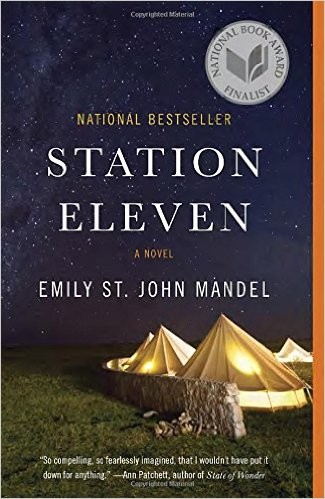
Station Eleven
by Emily St. John Mandel
A devastating flu pandemic collapses civilization, and twenty years later, a traveling Shakespeare company performs for scattered settlements along the shore of Lake Michigan. Mandel's post-apocalyptic masterpiece isn't interested in survival mechanics or zombie-style horror. It's about art, memory, and the stubborn human insistence that beauty matters even when — especially when — the world has ended. The novel moves between timelines with the grace of a symphony, connecting lives separated by decades and catastrophe, asking the question that haunts every end-times story: what makes survival worth it?
View on Amazon