Books Where the Past Refuses to Stay Buried
Ancient myths, sacred cities, and old promises that keep reaching into the present — five novels where history is not background but pressure.
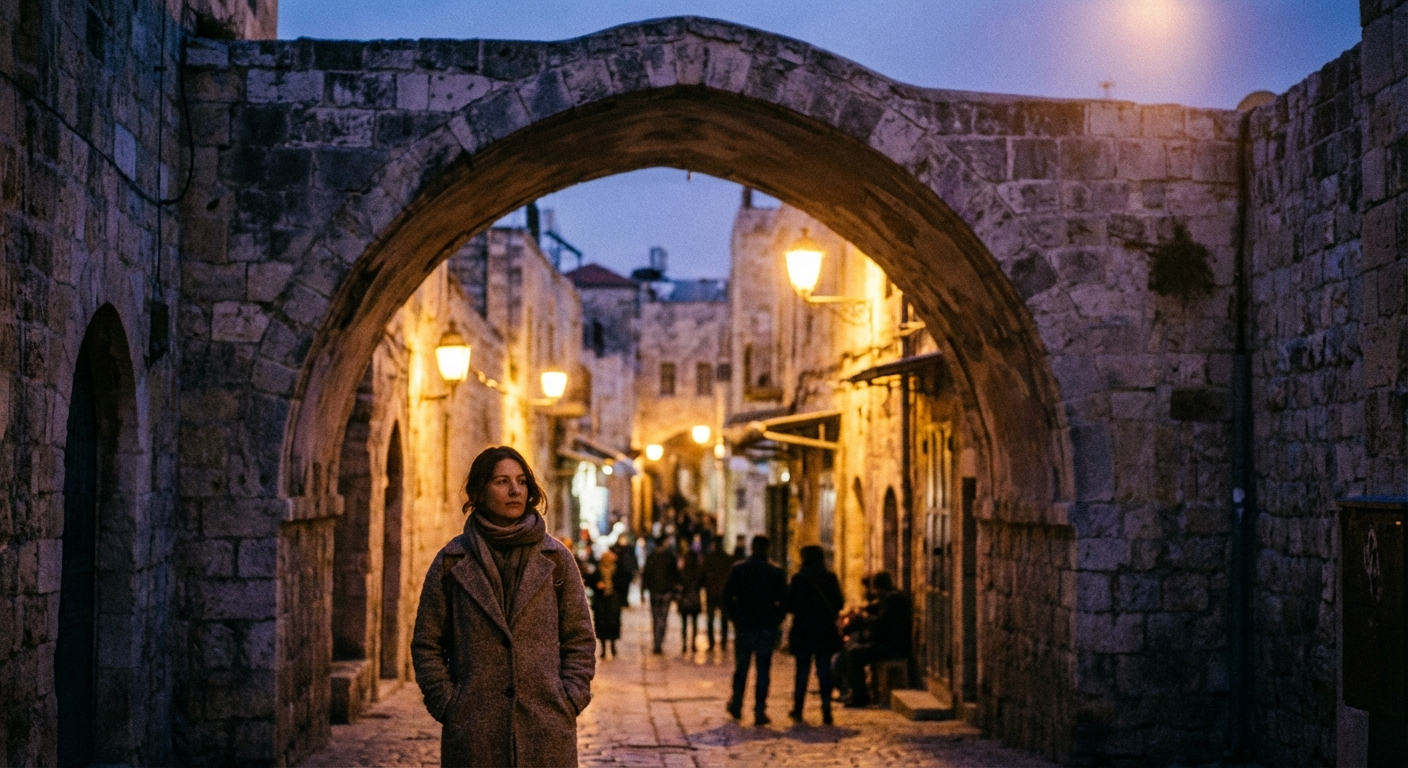
Some cities never stopped being ancient.
The best historical fiction does not reconstruct the past so much as refuse to let it go. Ancient myths, buried cities, and old religious promises keep showing up in the present — in architecture, in inherited grief, in the way a story from two thousand years ago can still feel like an argument you are having right now. These novels understand that history is not background. It is pressure.
What unites them is the uncanny feeling that something old is still alive and still demanding something from the living. If that is the kind of reading experience you chase, start here.
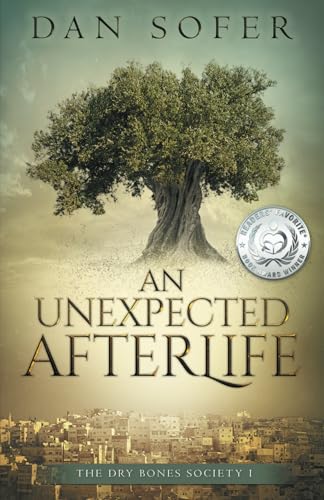
An Unexpected Afterlife
Dan Sofer — The Dry Bones Society, Book 1
The premise is deceptively simple: what if Biblical resurrection started happening right now, in modern Jerusalem, not as prophecy but as fact? Moshe Karlin wakes up in the Mount of Olives Cemetery with no memory of how he died. Rising from the dead turns out to be the easy part — now there is paperwork, a wife to win back, and a city already groaning under centuries of unresolved arguments before the miracle even arrives.
Sofer writes Jerusalem from the inside, and the result is a novel where ancient sacred memory and modern bureaucratic inconvenience keep colliding in ways that are by turns funny, unsettling, and unexpectedly moving. This is exactly what it feels like when the past refuses to stay buried.
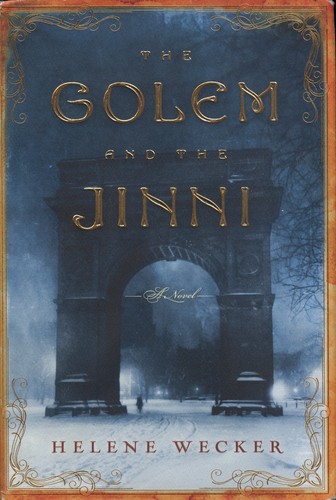
The Golem and the Jinni
by Helene Wecker
Though set in 1899 New York, Wecker's novel is steeped in much older worlds: Jewish folklore, Arab mythology, immigrant memory, and the lingering force of civilizations carried across oceans. The magic works because the book treats myth as lived inheritance rather than decorative fantasy, letting a golem and a jinni move through the modern city with all the emotional gravity of ancient traditions still trying to find a place to stand.
View on Amazon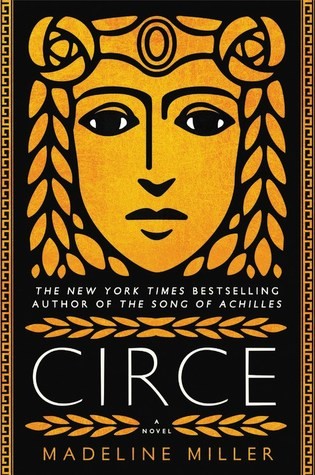
Circe
by Madeline Miller
Miller makes ancient Greek myth feel less like a school subject than a volatile interior world full of exile, hunger, gendered power, and self-invention. Circe works so well for modern readers because it does not embalm the ancient world in reverence. It lets Greek civilization stay strange, beautiful, and brutal while giving its famous witch a consciousness that feels psychologically immediate.
View on Amazon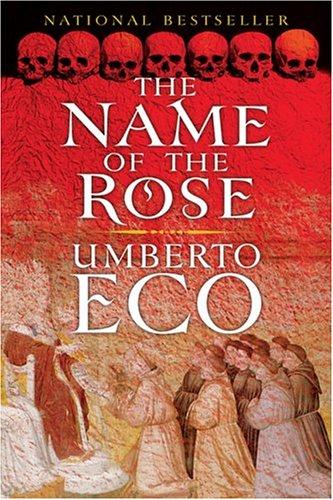
The Name of the Rose
by Umberto Eco
Eco's murder mystery is set in a medieval monastery, but the intellectual atmosphere runs even deeper: into Aristotle, heresy, scriptural interpretation, and the ancient philosophical debates that still haunt Christian civilization. It is a detective novel for readers who like their suspense wrapped in theology and manuscripts, proving that old ideas can still generate danger when intelligent people decide they are worth killing over.
View on Amazon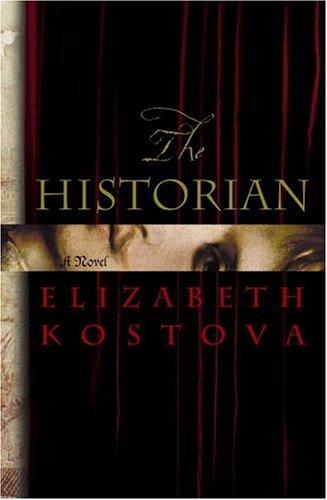
The Historian
by Elizabeth Kostova
Kostova turns archival research into atmosphere, using the Dracula legend, Byzantine echoes, Ottoman history, and the long afterlife of Vlad the Impaler to build a literary thriller that feels half scholarship, half haunting. What lingers is the sense that civilizations never fully disappear; they remain in monasteries, maps, letters, and stories, waiting for the present to stumble back into them.
View on Amazon