Books Where the Afterlife Has Rules
Five novels for readers who like metaphysical fiction with systems, gatekeepers, strange procedures, and consequences.
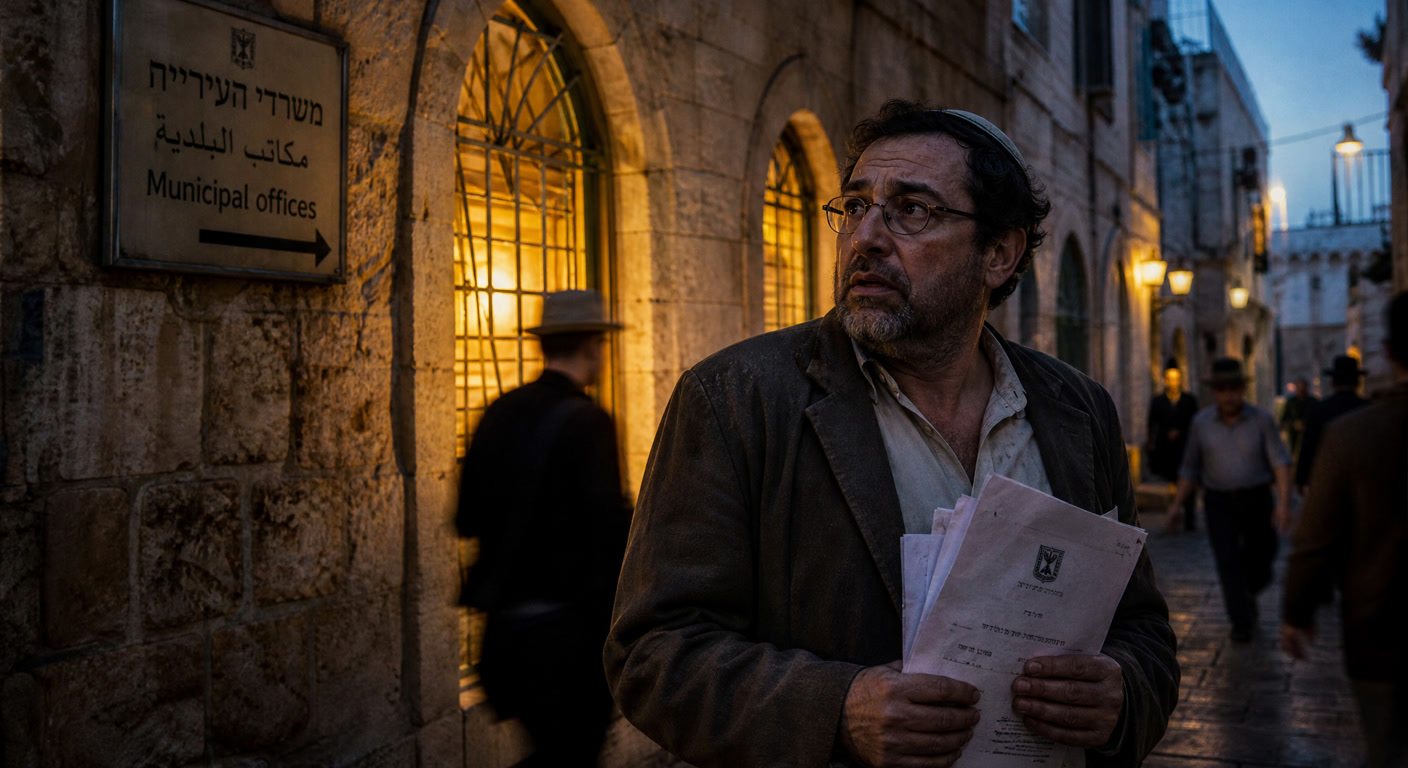
Some afterlives come with paperwork.
Some afterlife novels offer mist, comfort, and abstraction. The more memorable ones hand the dead a process instead: a waiting room, a set of conditions, a chain of authority, or a logic that has to be learned the hard way. Suddenly eternity feels less like a glow and more like a system someone built long before anyone asked whether it was fair.
That structure changes the mood completely. Once the next world has rules, every choice carries new weight, and every soul has something concrete to resist, misunderstand, or desperately try to game. The five books below are for readers who want the metaphysical to feel organized, consequential, and just a little unnerving.
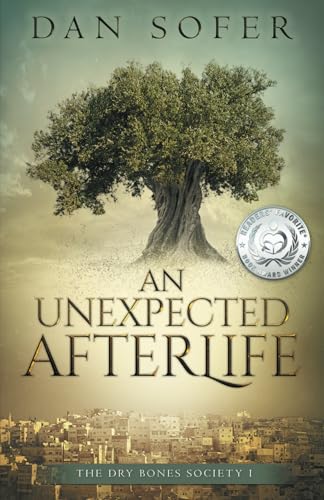
An Unexpected Afterlife
Dan Sofer — The Dry Bones Society, Book 1
Moshe Karlin wakes up in Jerusalem's Mount of Olives cemetery to discover that death has created a paperwork problem before it has solved anything else. He is officially dead, inconveniently alive, and trying to win back his wife while more returnees begin surfacing across the city. Resurrection here is not a soft-focus miracle but a public event with civic consequences, bureaucratic confusion, and a mounting sense that ancient prophecy has entered modern life through the front desk.
That makes this a sharp Editor's Pick for readers who want the afterlife to feel governed rather than vague. Dan Sofer gives the supernatural a lived-in structure of documents, authorities, expectations, and escalating complications, then balances those cosmic stakes with humor, tenderness, and the very human panic of a man who has come back still needing redemption.
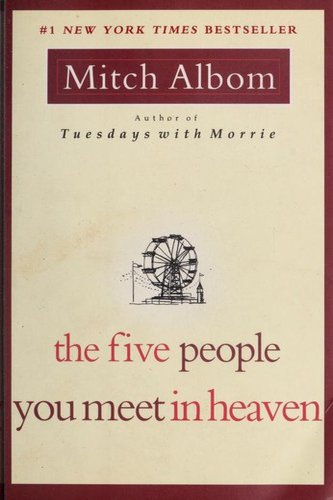
The Five People You Meet in Heaven
by Mitch Albom
Mitch Albom imagines heaven as a deliberate sequence rather than a blur: Eddie meets five people, one by one, and each encounter reveals the hidden shape of the life he thought had amounted to very little. That formal structure is the book's quiet power. The afterlife is not random comfort but a guided reckoning, governed by cause, consequence, and the unsettling idea that nothing in an ordinary life was ever as isolated as it seemed.
View on Amazon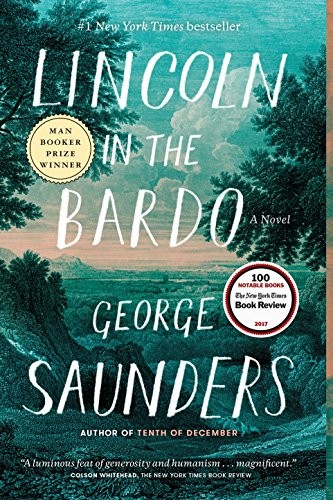
Lincoln in the Bardo
by George Saunders
George Saunders turns the afterlife into a crowded holding zone full of voices, evasions, habits, and strange shared language. The dead in the bardo cling to self-serving versions of reality, speaking around their own condition as if naming it might make it final. That gives the novel a brilliantly unnerving sense of rule-bound limbo: everyone is trapped inside a system of denial, and love is one of the few forces strong enough to break its spell.
View on Amazon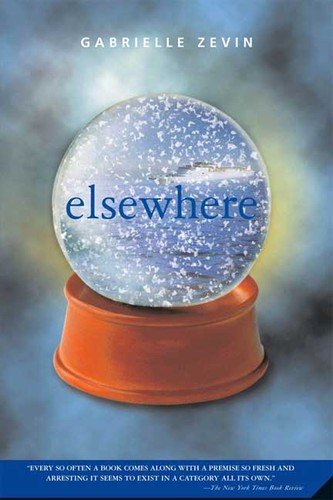
Elsewhere
by Gabrielle Zevin
In Gabrielle Zevin's afterlife, the dead arrive by ship, age backward, and eventually circle toward rebirth. It is a tender premise, but what makes the novel linger is how fully imagined the system is: there are customs to absorb, limits to accept, and a whole emotional education required before Liz can stop looking back at the life she lost. The result is an afterlife novel whose rules deepen, rather than dilute, the ache of grief.
View on Amazon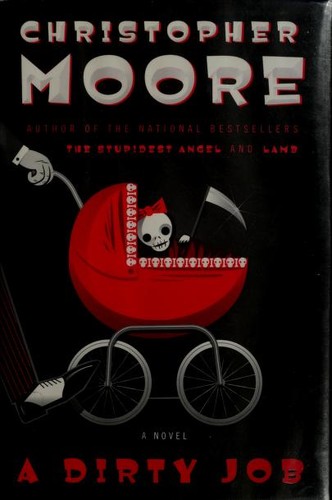
A Dirty Job
by Christopher Moore
Christopher Moore gives death administration, job duties, and a comic rulebook. Charlie Asher, a painfully ordinary new father, learns he has been drafted into the grim work of handling souls, and the novel's fun comes from how procedural the supernatural quickly becomes. Beneath the dark humor is a real affection for stories where the universe runs on bizarre internal logic and the newly initiated have to keep up or get crushed by forces far above their pay grade.
View on Amazon